New Monkey Species Discovered in Congo After 16 Years of Searching
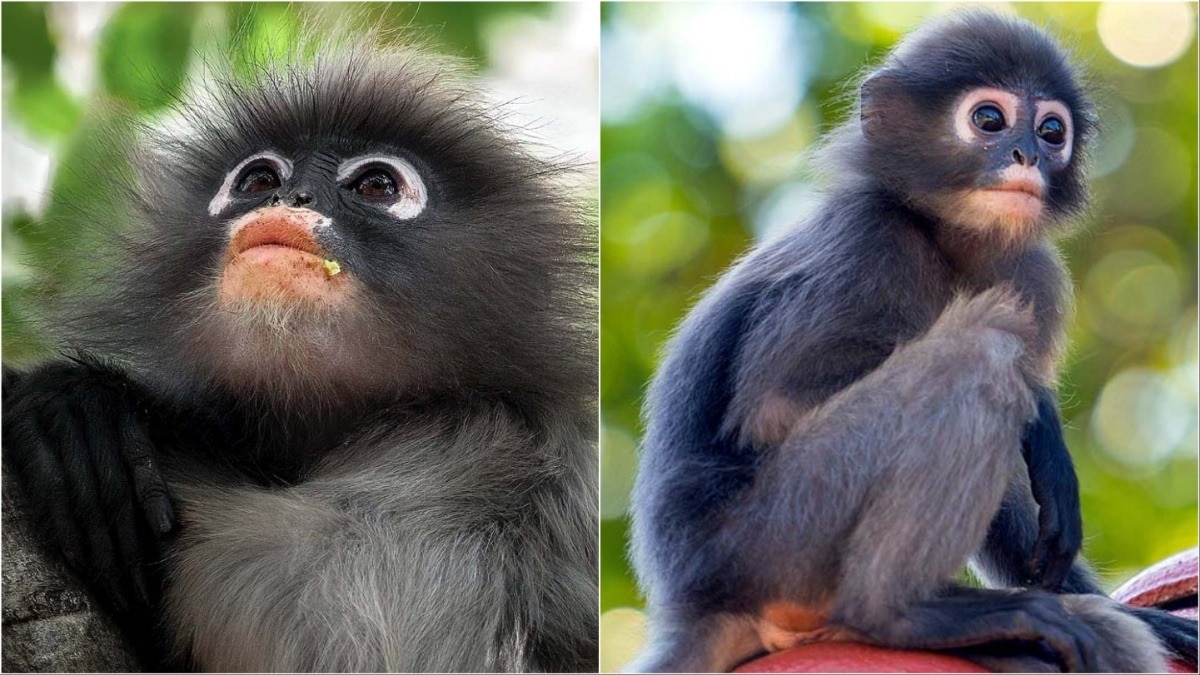
Scientists have identified a new monkey species in the jungles of the Congo after a 16-year search. The newly discovered primate, named 'Liquely,' has garnered attention due to its distinctive orange lips, unique vocalizations, and separate DNA profile. This discovery marks a significant find in primatology and biodiversity research. The extensive search period highlights the challenges and dedication involved in identifying new species in remote and dense forest environments. The 'Liquely' monkey's unique characteristics suggest it has evolved separately, necessitating its classification as a distinct species. Further research is expected to delve deeper into its behavior, habitat, and genetic makeup. The identification of this new species underscores the vastness of undiscovered life potentially residing in the world's remaining wilderness areas. Conservation efforts will likely be a critical next step to ensure the protection of this newly found primate and its habitat.
The discovery of the 'Liquely' monkey after a 16-year scientific endeavor highlights the persistent challenges in cataloging global biodiversity, especially within dense forest ecosystems like the Congo. The identification process, driven by unique genetic markers and distinct physical and vocal traits, underscores the importance of rigorous scientific methodology. From a systems perspective, this finding prompts reflection on the effectiveness of current conservation strategies and the potential for undiscovered species to exist in areas facing environmental pressures. Understanding the ecological niche and evolutionary trajectory of 'Liquely' will be crucial for future conservation planning, particularly in the context of accelerating climate change and habitat fragmentation over the next decade.
AI-generated to prompt reflection — not editorial opinion, not advice, not a statement of fact. How this works.