New Monkey Species Discovered in Congo Rainforest After 18 Years of Searching
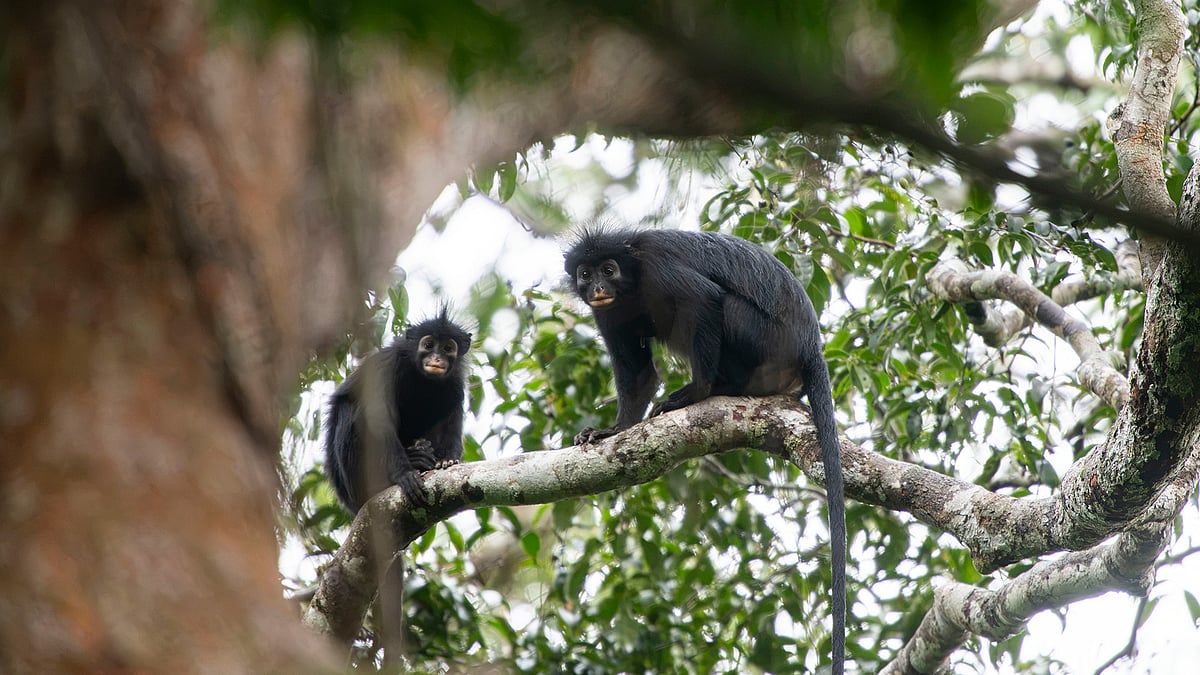
An international team of scientists has discovered a new species of monkey in a remote part of the Congo rainforest after an extensive 18-year search. The monkey was first sighted approximately 20 years ago in the dense forest, residing high in the trees. The recent expedition successfully located and documented the elusive primate. This discovery highlights the rich biodiversity that still exists in unexplored regions of the Congo Basin. Further research will be conducted to understand the monkey's behavior, diet, and ecological role. The team emphasized the importance of conservation efforts to protect this newly identified species and its habitat. The Congo rainforest is one of the most biodiverse regions on Earth, and new discoveries like this underscore the need for continued exploration and preservation. The scientists are currently working on formally describing the species and publishing their findings in a peer-reviewed journal. The successful identification marks a significant achievement in primatology and conservation science.
The discovery of a new primate species underscores the vast, underexplored biodiversity within the Congo Basin, a region facing significant environmental pressures. This finding emphasizes the critical need for robust conservation strategies that balance ecological preservation with the sustainable development needs of local communities. Future research will likely focus on the species' genetic distinctiveness and its ecological niche, providing crucial data for conservation planning. The long search period also highlights the challenges and resource intensity required for taxonomic discoveries in remote, difficult-to-access environments, potentially influencing future expedition methodologies and funding priorities in biodiversity research.
AI-generated to prompt reflection — not editorial opinion, not advice, not a statement of fact. How this works.