New Monkey Species, the Likweli, Discovered in Congo's Rainforest
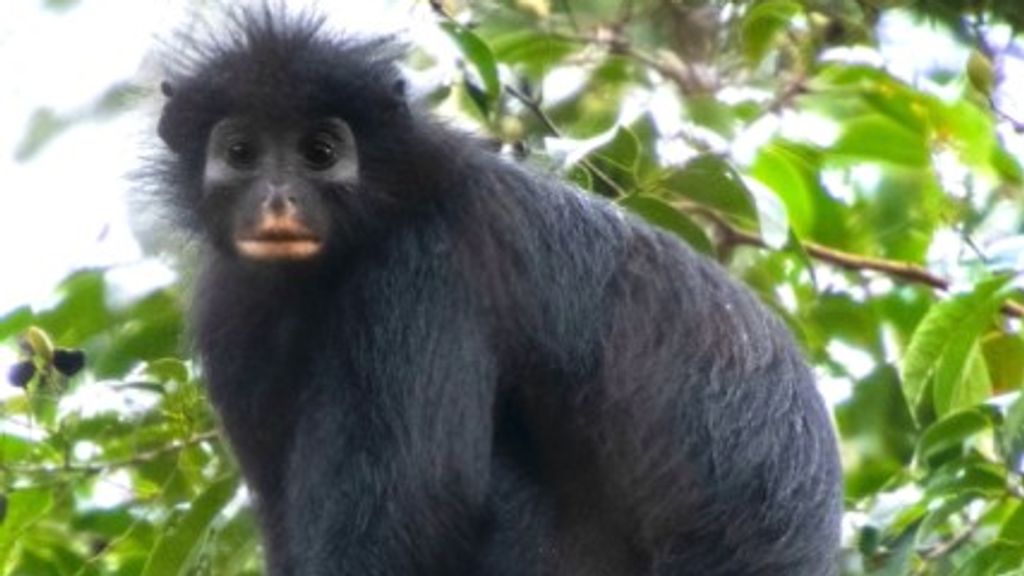
Scientists have identified a new monkey species, named the Likweli, in the tropical forests of the Democratic Republic of Congo. This black monkey, distinguished by its striking pinkish-orange skin around its mouth, was first photographed in 2008 but its exact species remained unknown until recent observations, photographs, and genetic analysis confirmed it as a previously undiscovered colobus monkey. The discovery is detailed in the scientific journal PLOS One. The species' scientific name is Colobus congoensis, with the common name Likweli provided by the local Balanga community. The Likweli is a rare inhabitant of a remote part of the Congolese rainforest, with just over a hundred sightings recorded between 2018 and 2022, primarily along the Lomami River. Many local residents were unfamiliar with the monkey, with only a few communities able to recognize and describe it, and some hunters had seen it without giving it a distinct name. Researcher Junior Amboko described the species as "a bit shy" and noted that its call, heard mostly around sunrise, resembles that of other colobus monkeys, making it difficult to spot despite being heard. Amboko expressed excitement at identifying an animal unknown to most people, attributing its late recognition to its elusive nature and preference for living high in the canopy of old-growth rainforest. Genetic studies indicate the Likweli is most closely related to the black colobus monkey (Colobus satanas), having diverged millions of years ago. While both share dark fur, they differ in size, skull shape, dentition, and vocalizations, with the Likweli believed to have a different diet, possibly less reliant on seeds than its relative. Researchers are proposing a threatened status for the Likweli, as parts of its habitat outside the protected Lomami National Park face threats from deforestation, human settlement, and hunting. This discovery underscores the significant, yet undiscovered, biodiversity remaining in Central Africa's forests, an area known for other unique primate finds.
The discovery of the Likweli monkey highlights the persistent gaps in our understanding of biodiversity, particularly in remote ecosystems like the Congo Basin. The species' elusive nature and limited recognition by local communities suggest that conservation efforts must integrate indigenous knowledge and community engagement more deeply. Future challenges will involve balancing the protection of the Likweli's habitat, which extends beyond national park boundaries, with the socio-economic pressures of deforestation and human expansion. The identification of a new primate species in the 21st century serves as a critical reminder of the ongoing need for robust scientific exploration and the potential for significant conservation discoveries, even as the region faces increasing environmental pressures.
AI-generated to prompt reflection — not editorial opinion, not advice, not a statement of fact. How this works.