New Mouse Alternative Tracks Eye and Muscle Movements for Control
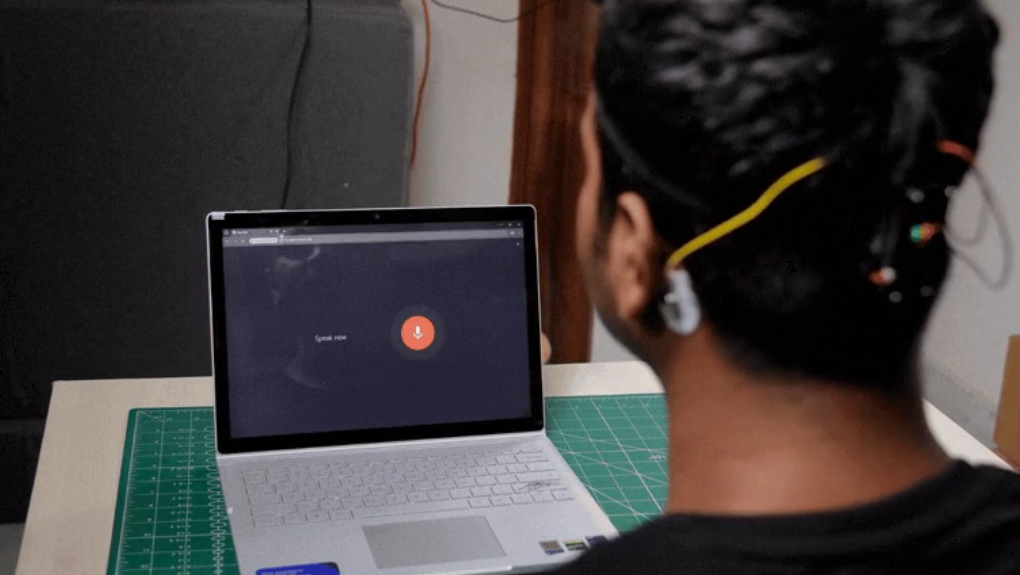
A new computer mouse alternative has been developed for individuals who have difficulty using standard hand-operated mice. This innovative device utilizes eye-tracking technology and muscle sensors to provide an alternative method of computer input. The system is designed to offer a functional solution for users with hand mobility challenges. Further details on the specific individuals or organizations behind this development are not provided in the initial information. The goal is to enhance accessibility and usability of computers for a wider range of users. This technology could potentially benefit individuals with various physical conditions affecting hand dexterity. The developers aim to create a more inclusive computing experience. The exact technical specifications and performance metrics of the device are not yet available. This development represents a step forward in assistive technology for computer interaction.
This development addresses a critical accessibility gap in human-computer interaction, offering a potential pathway for individuals with motor impairments to engage more fully with digital environments. The integration of eye-tracking and muscle-sensing technologies represents a sophisticated approach to input control, moving beyond traditional interfaces. By decoupling computer operation from fine motor skills of the hands, such innovations can significantly enhance digital inclusion. Future iterations will likely focus on refining accuracy, reducing latency, and ensuring broad compatibility across operating systems and applications. The long-term impact hinges on affordability and widespread adoption, potentially reshaping expectations for assistive technology in the broader digital landscape.
AI-generated to prompt reflection — not editorial opinion, not advice, not a statement of fact. How this works.