New Parents' Sleep Deprivation Extends Beyond Physical Fatigue
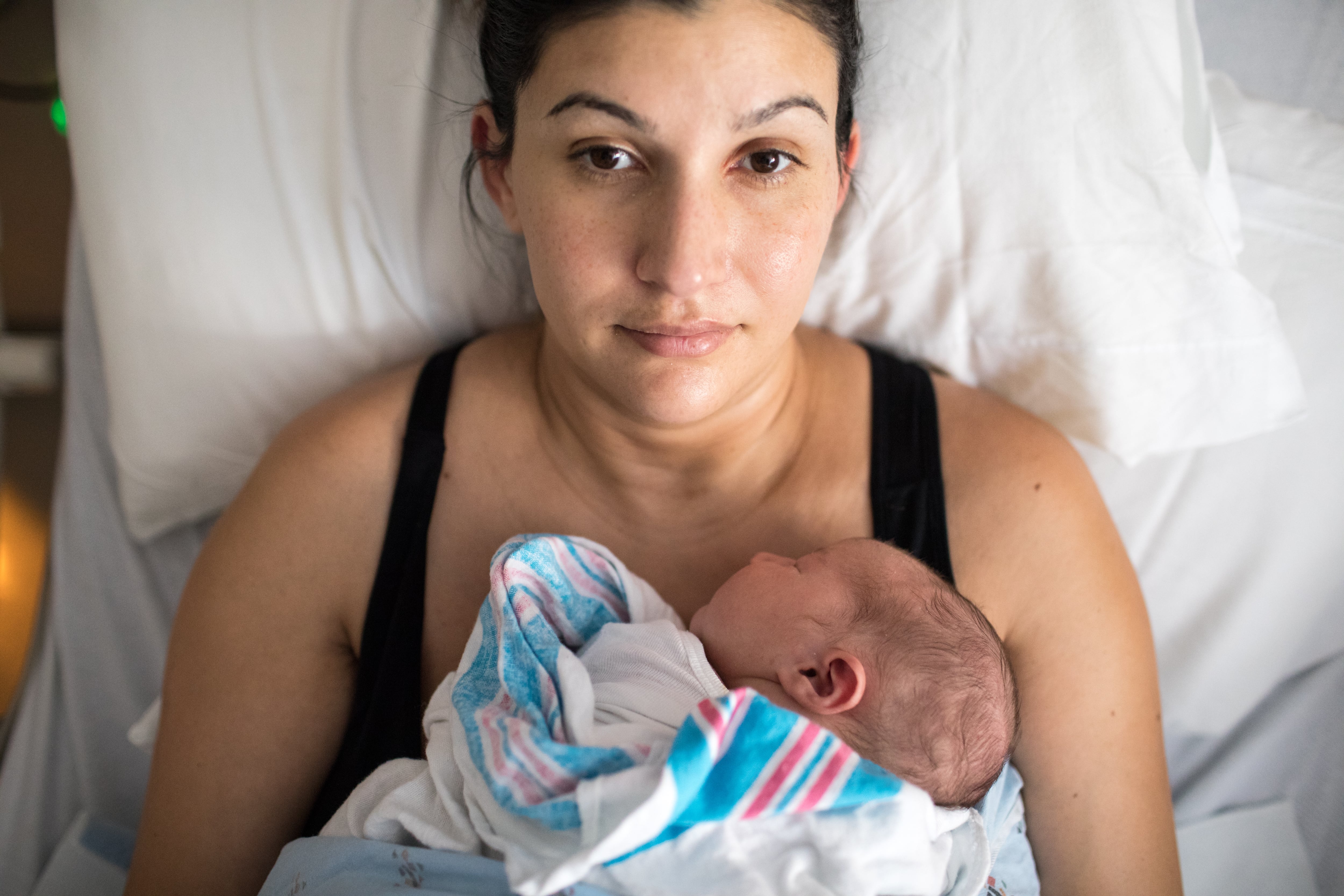
Sleep fragmentation during a baby's first year significantly impacts parents' mental and emotional well-being. This chronic sleep deprivation extends far beyond mere physical tiredness, posing a substantial challenge to the relationship between partners. The constant disruption of sleep patterns can lead to increased stress, irritability, and difficulty coping with daily demands.
These effects can manifest as heightened anxiety, symptoms of depression, and a general feeling of being overwhelmed. The strain on the parental relationship is often exacerbated by the lack of restorative sleep, which can reduce patience and increase conflict. Navigating these challenges requires significant emotional resilience and effective communication between parents. The long-term consequences of insufficient sleep for both parents and their relationship underscore the need for adequate support systems and strategies to manage this demanding period.
The profound impact of infant sleep fragmentation on parental mental health and relationships highlights a critical societal challenge. This period tests the resilience of individuals and partnerships, often exposing underlying vulnerabilities in support structures. From a public health perspective, the long-term consequences of chronic sleep deprivation for parents warrant greater attention, potentially influencing generational well-being. Future societal models may need to integrate more robust, accessible support for new parents, recognizing sleep as a fundamental pillar of family health and stability in the AI era, where demands on individuals are likely to intensify.
AI-generated to prompt reflection — not editorial opinion, not advice, not a statement of fact. How this works.