New Parties Intensify Pressure on PASOK Amid Shifting Political Landscape
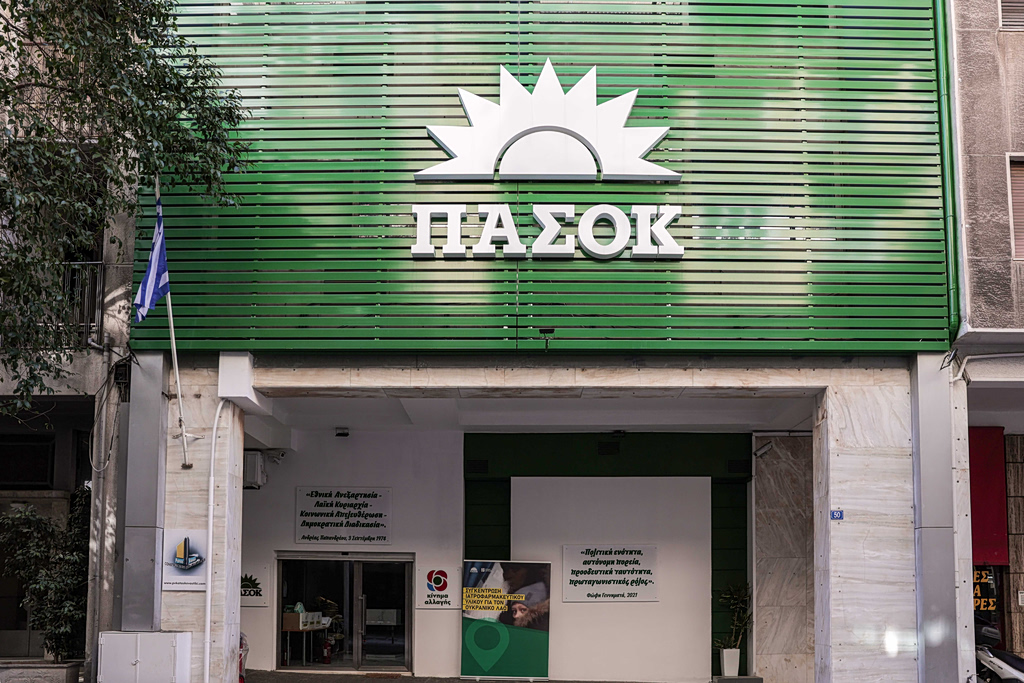
The Greek political landscape is undergoing significant shifts due to the emergence of two new parties. These new entrants are altering the balance of power and causing realignments in electoral influence, which in turn is exerting pressure on established political formations. The party currently experiencing the most significant strain from these changes is PASOK. Recent research data indicates that PASOK is facing considerable challenges in this initial phase of political recalibration. The dynamic introduced by these new political forces is reshaping voter allegiances and forcing existing parties to adapt to a more fragmented and competitive environment. This period of adjustment is crucial for all parties, but PASOK appears to be at the forefront of feeling the impact of this evolving political terrain. The long-term consequences of these shifts remain to be seen, but the immediate effect is a heightened sense of pressure on PASOK to redefine its position and strategy.
The introduction of new political entities into Greece's established party system creates inherent instability and forces a reassessment of voter bases. This dynamic challenges incumbent parties like PASOK by potentially fragmenting their traditional support and requiring strategic adaptation to remain competitive. The pressure stems from the need to differentiate and appeal to a potentially shifting electorate, influenced by new platforms and ideologies. Over the next decade, such disruptions could lead to a more fluid political environment, where party loyalty is less assured, and the ability to adapt to evolving societal demands becomes paramount for political survival and relevance.
AI-generated to prompt reflection — not editorial opinion, not advice, not a statement of fact. How this works.