New Pi 5 Sound Card Achieves ALSA-Compatible TOSLINK Output
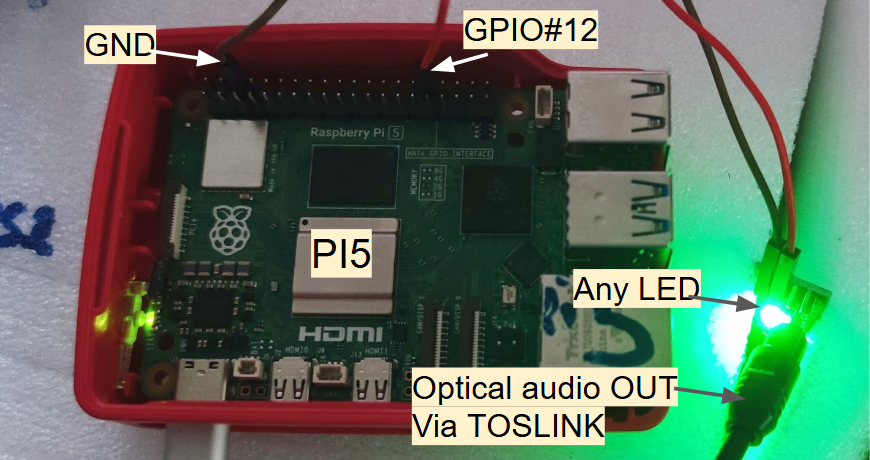
A new hardware modification for the Raspberry Pi 5 has enabled TOSLINK optical audio output, making it compatible with the Advanced Linux Sound Architecture (ALSA). This development allows the Pi 5 to function as a digital audio source for high-fidelity audio systems. The modification involves integrating a specific sound card that bridges the gap between the Pi's digital audio interface and the TOSLINK standard. This upgrade is significant for audio enthusiasts and developers seeking to incorporate the Raspberry Pi into professional or home audio setups. The ALSA compatibility ensures seamless integration within the Linux ecosystem, allowing for standard audio drivers and software to recognize and utilize the new output. This hack demonstrates the extendable nature of the Raspberry Pi platform, allowing for advanced functionalities beyond its initial design. The project highlights the community's ingenuity in pushing the boundaries of what is possible with single-board computers. Further details on the implementation and required components are expected to be released by the creators.
This hardware hack for the Raspberry Pi 5 showcases the platform's adaptability for specialized audio applications. By enabling TOSLINK output and ALSA compatibility, it addresses a niche demand for high-quality digital audio sourcing within the maker and enthusiast communities. The development highlights how open hardware ecosystems can foster innovation, allowing users to extend device capabilities beyond original specifications. This trend suggests a growing market for modular, customizable computing solutions where users can tailor devices for specific professional or hobbyist needs, potentially influencing future product design by demonstrating user-driven feature development.
AI-generated to prompt reflection — not editorial opinion, not advice, not a statement of fact. How this works.