New Plague Vaccines Achieve 100% Efficacy in Mouse Trials
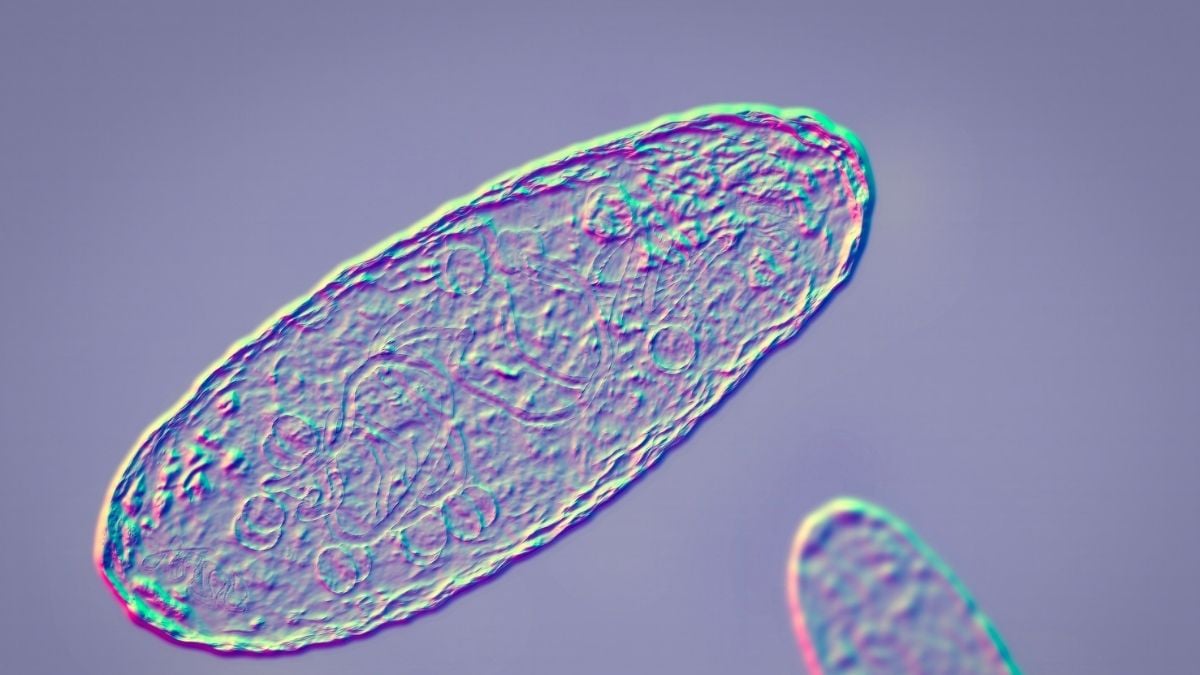
Two novel vaccines have demonstrated complete effectiveness against the plague in laboratory mice, offering a promising development in combating the persistent and potentially lethal disease. The plague, though treatable with prompt medical intervention, remains a significant public health concern. These new vaccines represent a potential breakthrough in preventing the spread and severity of the infection. Further research and development will be crucial to determine their applicability and safety for human use. The successful trials in mice suggest a strong immunological response, paving the way for future clinical studies. This advancement could significantly impact global health strategies for infectious diseases.
The development of highly effective vaccines in preclinical models is a critical step in disease control. While 100% efficacy in mice is an encouraging outcome, it is essential to acknowledge the biological differences between rodents and humans. The transition from animal models to human clinical trials involves rigorous safety and efficacy evaluations, and success rates can vary significantly. This advancement underscores the ongoing importance of infectious disease research and vaccine development, particularly for pathogens that, while less common now, retain significant historical and potential future public health implications. Future efforts will focus on scalability, cost-effectiveness, and long-term immunity in human populations.
AI-generated to prompt reflection — not editorial opinion, not advice, not a statement of fact. How this works.