New Plant Species and Genus Discovered in Brazil After 12 Years
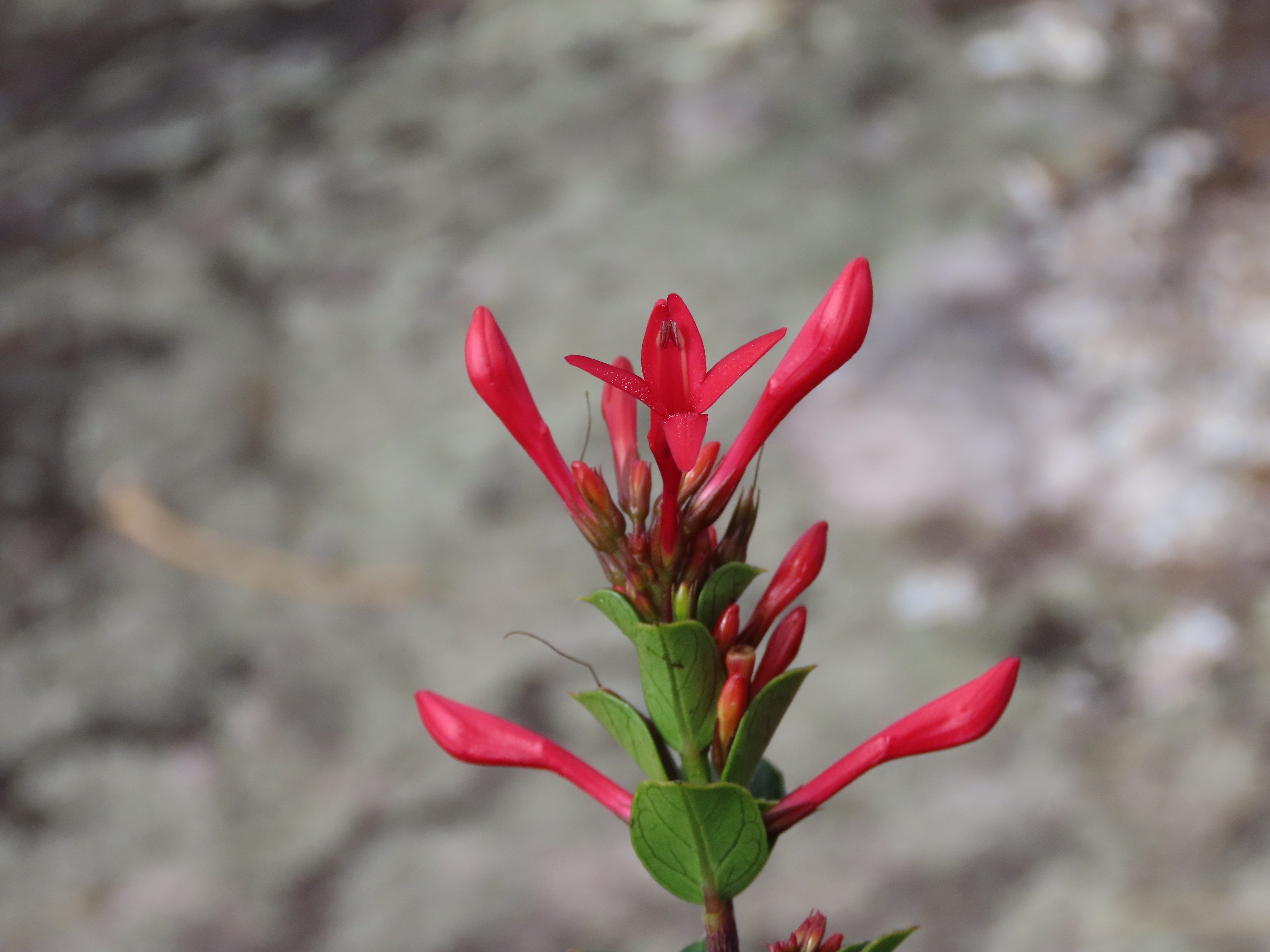
Scientists have identified a new plant species and registered an unprecedented genus in Brazil after a 12-year mystery. The red-flowered plant, first collected in 2013 in the mountainous eastern region of Minas Gerais, was finally identified through genetic analysis as belonging to the Oplonia genus, previously unrecorded in Brazil. Named Oplonia doceana, this species is exclusively found in the rocky fields of Serra do Padre Ângelo, spanning the municipalities of Conselheiro Pena, Alvarenga, and Santa Rita do Itueto in the middle Rio Doce region. The discovery, published in Plant Systematics and Evolution, expands the known distribution of the Oplonia genus in South America. Botantist Paulo Gonella of the National Institute of the Atlantic Forest (INMA) stumbled upon the plant while searching for a carnivorous plant, Drosera magnifica. Despite extensive efforts and consultations with experts, its identity remained elusive until DNA sequencing revealed its unique classification. The closest known relative, Oplonia jujuyensis, is found thousands of kilometers away in Argentina and Bolivia. Researchers hypothesize that past glacial periods may have facilitated migration between the Andes and eastern Brazil, with subsequent climate changes and forest expansion leading to isolation. The Serra do Padre Ângelo is noted as a hotspot for discoveries, with over 40 new plant species described recently, many endemic to the region's biodiverse rocky field ecosystem. However, Oplonia doceana is classified as 'Endangered' due to its restricted distribution and vulnerability to threats like wildfires, which promote invasive species such as the African grass Urochloa decumbens. Only one known population is within a protected area, the Sete Salões State Park, highlighting the urgent need for conservation. The species name honors the Rio Doce basin, emphasizing the region's surprising biodiversity despite environmental challenges and serving as a reminder of the vast amount of undiscovered life on Earth.
The discovery of Oplonia doceana underscores the significant biodiversity yet to be cataloged, particularly in Brazil's unique rocky field ecosystems. This event highlights the critical role of long-term scientific observation and advanced genetic analysis in resolving taxonomic mysteries. The classification of the species as 'Endangered' points to systemic conservation challenges, where habitat fragmentation and invasive species pose substantial threats, even to newly identified organisms. Future conservation strategies will need to balance the protection of these micro-habitats with broader land-use pressures. The discovery also prompts reflection on historical biogeography and the impact of climate change on species distribution, suggesting that current continental landscapes are the result of complex past environmental dynamics. This finding serves as a potent reminder of the ongoing need for exploration and preservation in biodiversity hotspots.
AI-generated to prompt reflection — not editorial opinion, not advice, not a statement of fact. How this works.