New Plasma Proteomics Framework Predicts Fatty Liver Disease Years in Advance
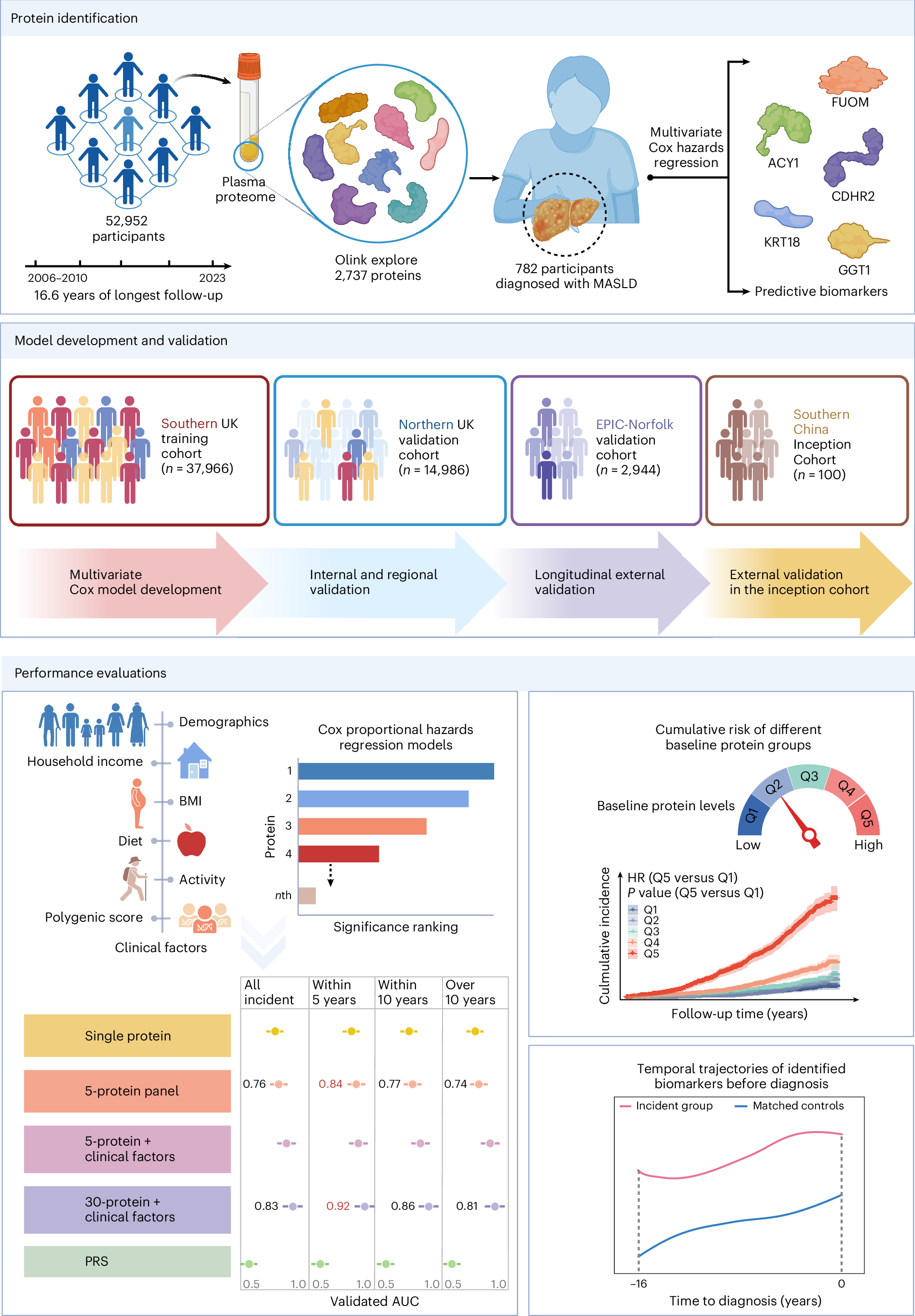
A novel plasma proteomics framework has demonstrated the ability to predict the onset of metabolic dysfunction-associated steatotic liver disease (MASLD) up to 16 years before clinical diagnosis. This groundbreaking research, published in Nature Medicine, utilized data from the UK Biobank, analyzing blood samples from over 50,000 participants. The framework identified specific protein signatures in the blood that are indicative of future MASLD development. These protein patterns were observed to change years before the disease becomes apparent through traditional diagnostic methods. The study highlights the potential for early intervention and personalized treatment strategies for individuals at high risk of developing MASLD. By identifying at-risk individuals much earlier, clinicians may have a greater opportunity to implement lifestyle changes or therapeutic interventions to prevent or delay the progression of the disease. The research team emphasized that this predictive model could revolutionize how MASLD is managed, shifting the focus from late-stage treatment to proactive prevention. Further validation and clinical trials are anticipated to integrate this framework into routine healthcare practices.
This predictive framework for MASLD represents a significant advancement in early disease detection, leveraging proteomics to identify risk years before clinical manifestation. By analyzing protein signatures, the technology offers a proactive approach to managing a condition linked to metabolic syndrome, potentially mitigating long-term health consequences and healthcare costs. The ability to forecast disease onset so far in advance raises questions about the ethical implementation of such predictive tools, including patient disclosure, potential for anxiety, and ensuring equitable access to early interventions. Furthermore, the framework's reliance on a large biobank dataset suggests a need for broad validation across diverse populations to ensure its generalizability and robustness in real-world clinical settings. The long-term impact will depend on how effectively these early predictions translate into actionable preventive strategies and improved patient outcomes.
AI-generated to prompt reflection — not editorial opinion, not advice, not a statement of fact. How this works.