New Policy Allows Banks to Write Off Bad Loans, Raising Questions
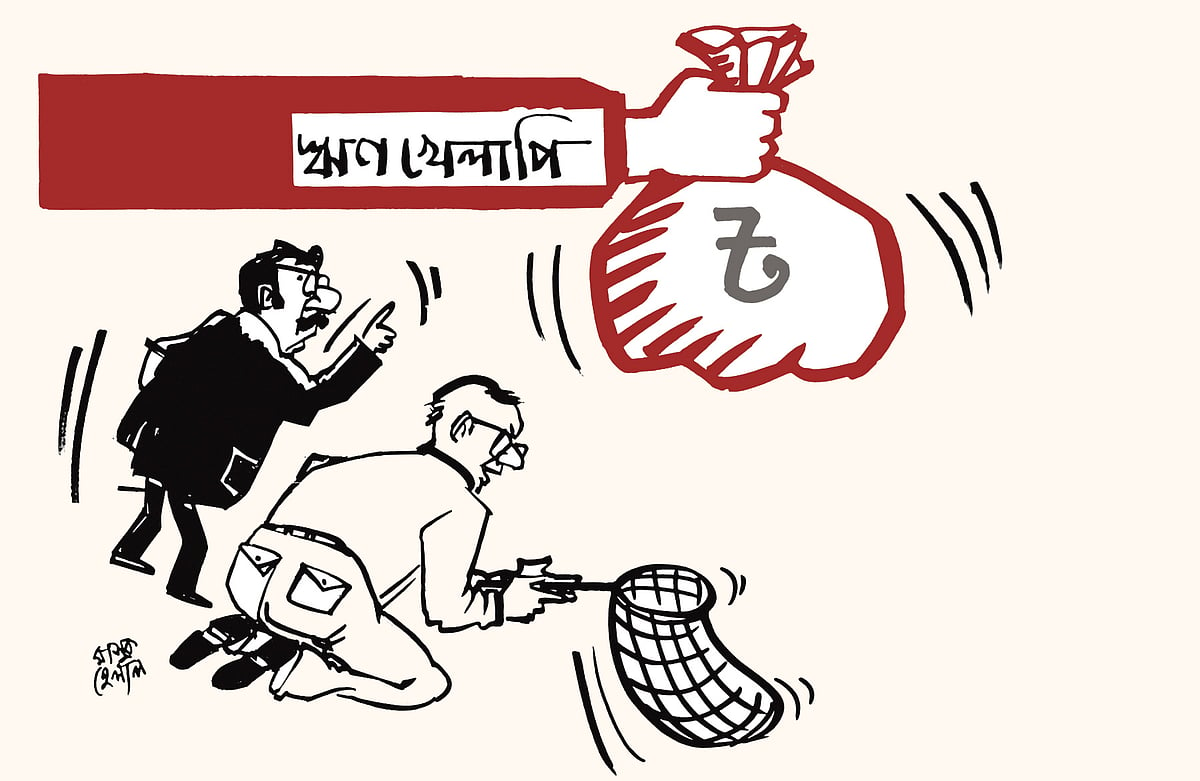
A new initiative aims to improve liquidity in the banking sector by allowing banks to write off non-performing loans (NPLs). This move is intended to help recover stalled funds and reduce the backlog of long-term loan recovery cases. While seen as a positive step, the policy has also generated questions regarding its implementation and potential consequences. The primary goal is to increase the availability of funds within banks, which are currently tied up in delinquent accounts. This is expected to streamline the process of dealing with bad debts and potentially boost the overall financial health of the banking system. The initiative is designed to provide a mechanism for banks to move past these problematic loans and focus on new lending and investment. However, the specifics of how banks will be held accountable and the criteria for writing off loans remain areas of concern for some stakeholders. The long-term impact on the financial sector's stability and public trust is yet to be fully understood.
This policy shift represents a pragmatic approach to addressing the persistent issue of non-performing loans within the banking sector. By providing an 'exit' mechanism, banks may be incentivized to more actively manage their loan portfolios and potentially write off unrecoverable debts, thereby improving their balance sheets and liquidity. However, careful oversight will be crucial to prevent moral hazard, ensuring that banks do not become complacent in their lending practices. The long-term implications for financial discipline and the potential for future NPL accumulation warrant ongoing monitoring. This move could also signal a broader trend towards recognizing the economic realities of legacy debt in a rapidly evolving financial landscape.
AI-generated to prompt reflection — not editorial opinion, not advice, not a statement of fact. How this works.