New Polyclinic Opens in Santos to Serve Over 2,600 Residents
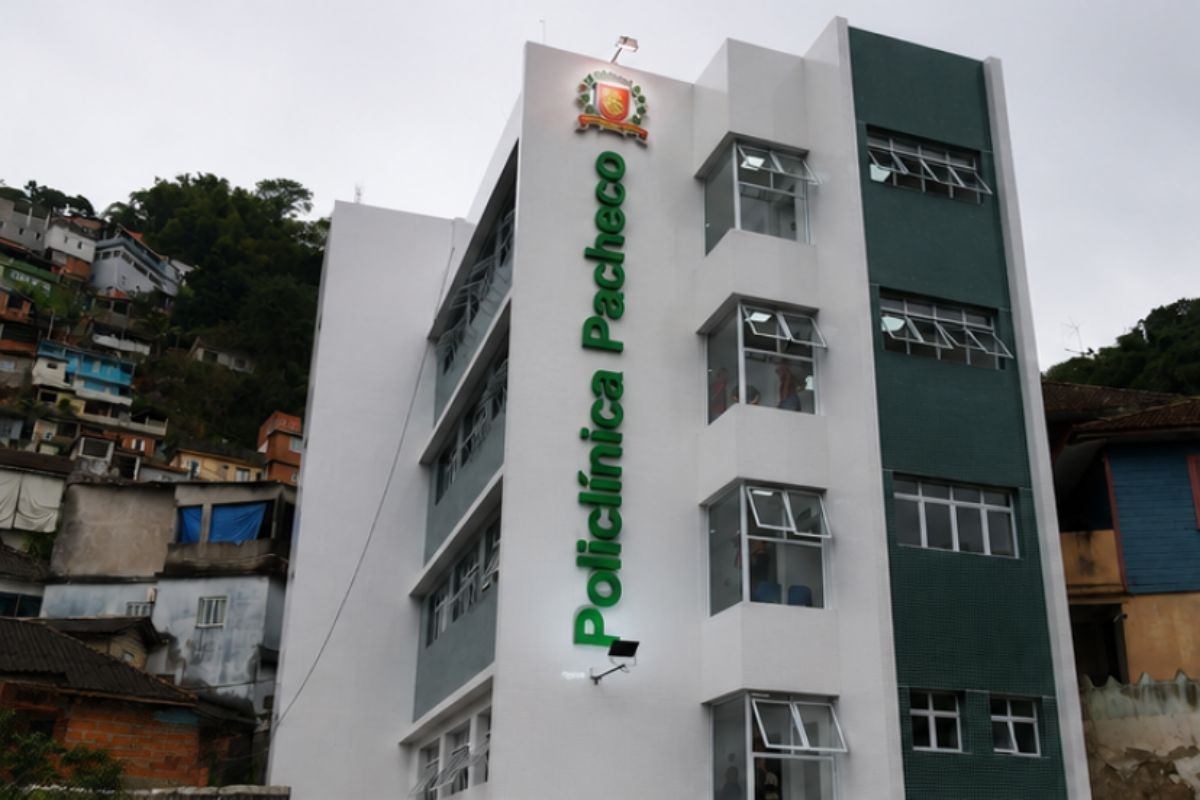
A new polyclinic has been inaugurated in the Morro do Pacheco community of Santos, São Paulo, aiming to enhance healthcare access for over 2,600 residents. The facility, located on Rua Cinco, features five consultation rooms, including a dental office, alongside specialized areas for vaccinations, inhalation treatments, wound care, and medication dispensing. Previously, residents relied on polyclinics in Morro São Bento and Valongo, requiring longer travel times. This new unit will offer a range of services, from medical consultations and vaccinations to family support and minor procedures, directly within the neighborhood. A multidisciplinary team of ten healthcare professionals, including doctors, nurses, and administrative staff, will operate the clinic. Services commenced on Monday, the 8th, with initial activities focusing on patient registration, data updates, and health education. The polyclinic will operate Monday through Friday, from 8 AM to 5 PM, requiring patients to present identification, their SUS card, and proof of residence. The inauguration ceremony on Friday, the 3rd, was attended by acting mayor Audrey Kleys, who highlighted the commitment to improving primary care and preventative health. An additional R$1 million in parliamentary funds was announced for the Policlínica do Embaré. The construction of the Morro do Pacheco polyclinic is part of a R$20 million mitigation and compensation agreement with Adonai East Terminais de Líquidos S/A, which also funds the upcoming Vila Criativa do Morro do Pacheco.
The opening of the Morro do Pacheco polyclinic represents a localized investment in primary healthcare infrastructure, intended to improve service accessibility for a specific community. This development is framed within a broader municipal strategy that includes partnerships with private entities for compensatory development projects. The funding model, linking infrastructure improvements to private sector agreements, highlights a common approach to urban development and public service provision. Future evaluations should consider the long-term impact on health outcomes, patient satisfaction, and the sustainability of this integrated development model, particularly in how it balances public needs with private sector interests and regulatory compliance.
AI-generated to prompt reflection — not editorial opinion, not advice, not a statement of fact. How this works.