New Precision Medicine Framework Targets Young-Onset Fatty Liver Disease
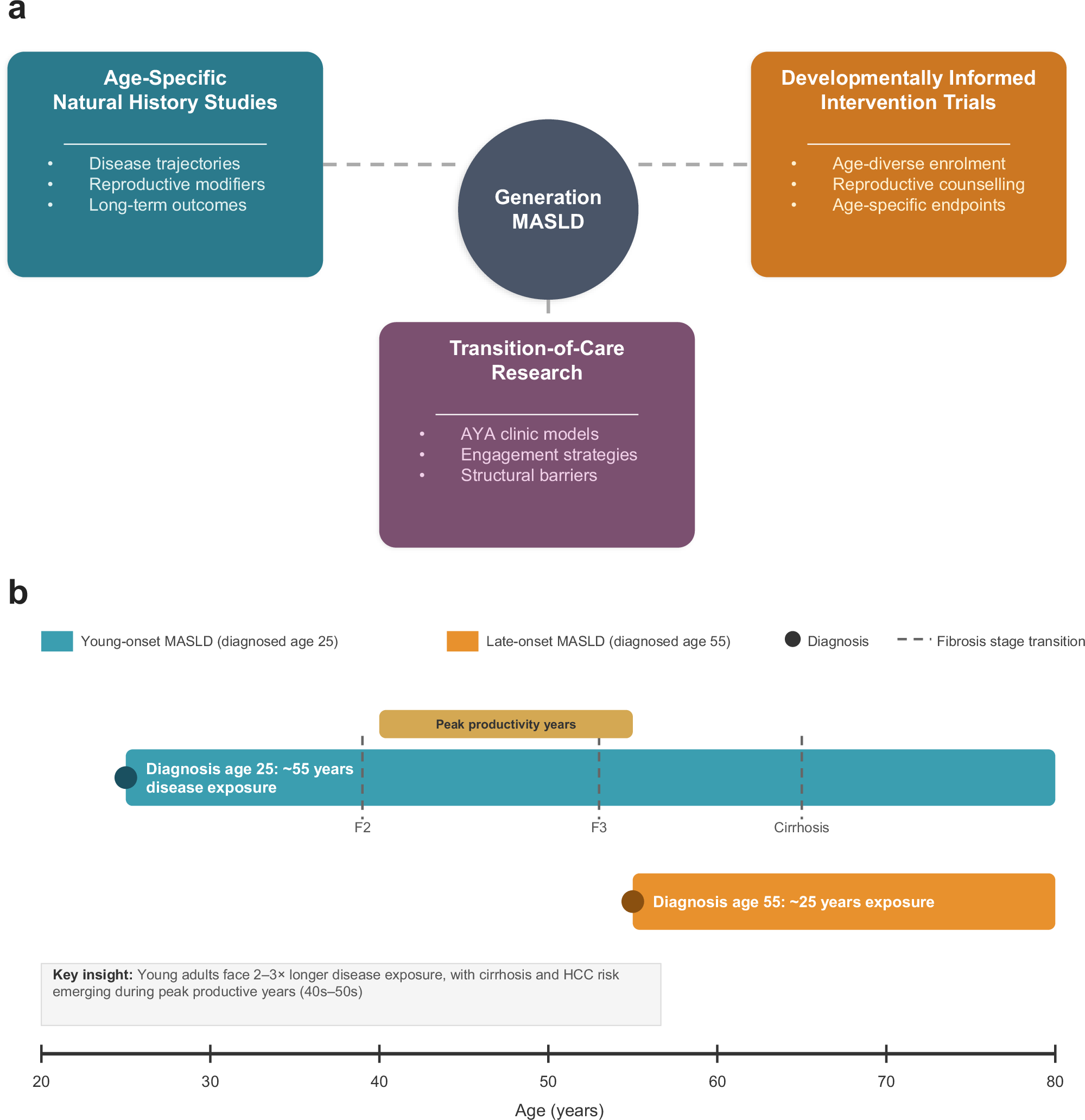
A novel precision medicine framework, named Generation MASLD, has been developed to address metabolic dysfunction-associated steatotic liver disease (MASLD) in younger individuals. This framework aims to provide a more personalized approach to understanding and treating this condition, which is increasingly affecting the pediatric and adolescent populations. Traditional approaches often lack the granularity needed to effectively manage MASLD in these age groups, where lifestyle factors and genetic predispositions can interact complexly. Generation MASLD seeks to integrate various data points, including genetic information, metabolic profiles, and lifestyle data, to create tailored treatment strategies. The goal is to move beyond a one-size-fits-all model and offer interventions that are specifically designed for the individual patient's biological and environmental context. This initiative highlights a growing recognition of the need for early intervention and specialized care for non-alcoholic fatty liver disease (NAFLD) and its evolving nomenclature, MASLD, in young people. The development of such frameworks is crucial for potentially preventing long-term complications, including cirrhosis and liver failure, in this demographic. Further research and clinical trials are expected to validate and refine the Generation MASLD framework, paving the way for its broader adoption in pediatric hepatology.
The development of the Generation MASLD framework signifies a critical shift towards personalized healthcare for metabolic diseases in youth. By focusing on precision medicine, this approach acknowledges the complex interplay of genetic, metabolic, and environmental factors that contribute to early-onset MASLD. This move away from generalized treatment protocols could lead to more effective interventions, potentially mitigating the long-term burden of liver disease in younger populations. The framework's emphasis on tailoring strategies to individual patient profiles aligns with broader trends in healthcare, aiming to improve outcomes and reduce healthcare system strain by addressing diseases at their earliest, most manageable stages. Future success will likely depend on the accessibility of advanced diagnostics and the integration of this framework into standard pediatric care pathways.
AI-generated to prompt reflection — not editorial opinion, not advice, not a statement of fact. How this works.