New Primate Species Discovered in Democratic Republic of Congo
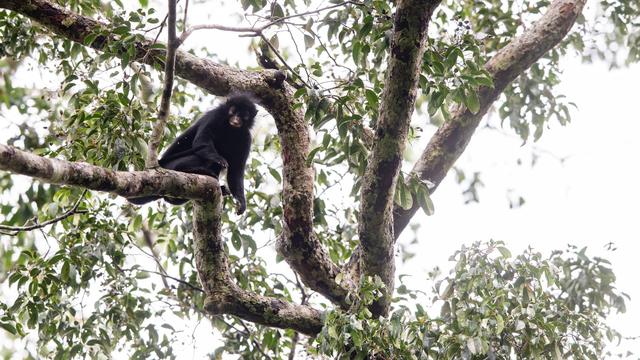
A previously unknown species of primate has been identified in the Democratic Republic of Congo. The discovery was made by a team of researchers who were conducting fieldwork in a remote region of the country. The new species is described as a medium-sized monkey with distinctive physical characteristics that set it apart from other known primates in the area. Initial observations suggest it inhabits dense forest environments and likely has a specific diet. Further research is underway to understand its behavior, genetic makeup, and ecological role. Scientists are emphasizing the importance of this discovery for biodiversity conservation efforts in the Congo Basin, one of the world's most ecologically significant regions. The identification of new species highlights the vast, unexplored biodiversity that may still exist within the continent. Conservationists are calling for increased protection measures for the habitat of this newly found primate to ensure its survival. The exact location of the discovery is being kept confidential to prevent potential threats from poaching or habitat destruction.
The discovery of a new primate species in the Democratic Republic of Congo underscores the immense biodiversity that remains undocumented, particularly in regions facing complex socio-political and economic challenges. This finding highlights the critical need for robust conservation strategies that balance ecological preservation with the needs of local communities. Future efforts should focus on sustainable land management and research initiatives that can provide valuable data for policy-making, ensuring that such discoveries contribute to long-term environmental health and scientific understanding without exploitation. The ongoing challenges of habitat protection in the face of resource extraction and potential human encroachment necessitate adaptive conservation models.
AI-generated to prompt reflection — not editorial opinion, not advice, not a statement of fact. How this works.