New Process Converts Plastic Waste into Clean Fuel
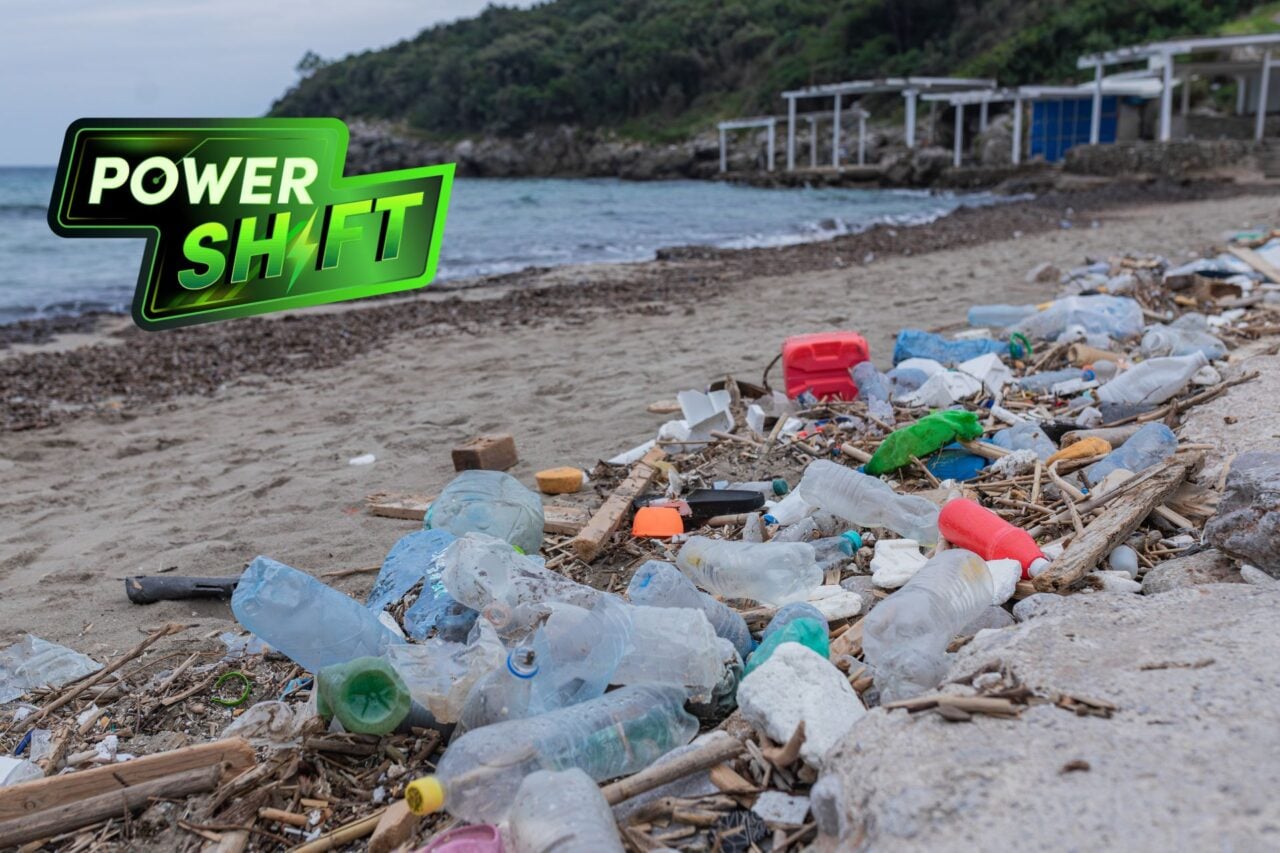
Researchers have developed a novel process that transforms plastic waste into clean fuel, offering a more sustainable alternative to traditional disposal methods. This innovative approach is reportedly more efficient in terms of carbon emissions and energy consumption compared to existing techniques. The process aims to tackle the growing global plastic pollution crisis by repurposing discarded plastics into a valuable energy source. By converting waste plastics, which often end up in landfills or oceans, into usable fuel, this method addresses both environmental pollution and energy demands. The researchers highlight the significant environmental benefits, emphasizing the reduction in both carbon footprint and energy usage. This breakthrough could pave the way for a circular economy model for plastics, where waste is minimized and resources are reused effectively. Further development and scaling of this technology could have a substantial impact on waste management and renewable energy sectors.
This plastic-to-fuel conversion technology presents a potential solution to the dual challenges of plastic waste accumulation and the need for cleaner energy sources. The reported efficiency gains over conventional methods suggest a promising pathway for resource recovery and pollution mitigation. Evaluating this process requires considering its scalability, economic viability, and the lifecycle assessment of the fuel produced. Future developments should focus on ensuring that the energy input for the conversion process is itself derived from sustainable sources to maximize environmental benefits. The long-term impact will depend on its integration into existing waste management infrastructures and its ability to compete with established fuel production methods, while also addressing potential byproducts and emissions.
AI-generated to prompt reflection — not editorial opinion, not advice, not a statement of fact. How this works.