New Record for Own Goals in 2026 World Cup; Analysis of Increased Frequency
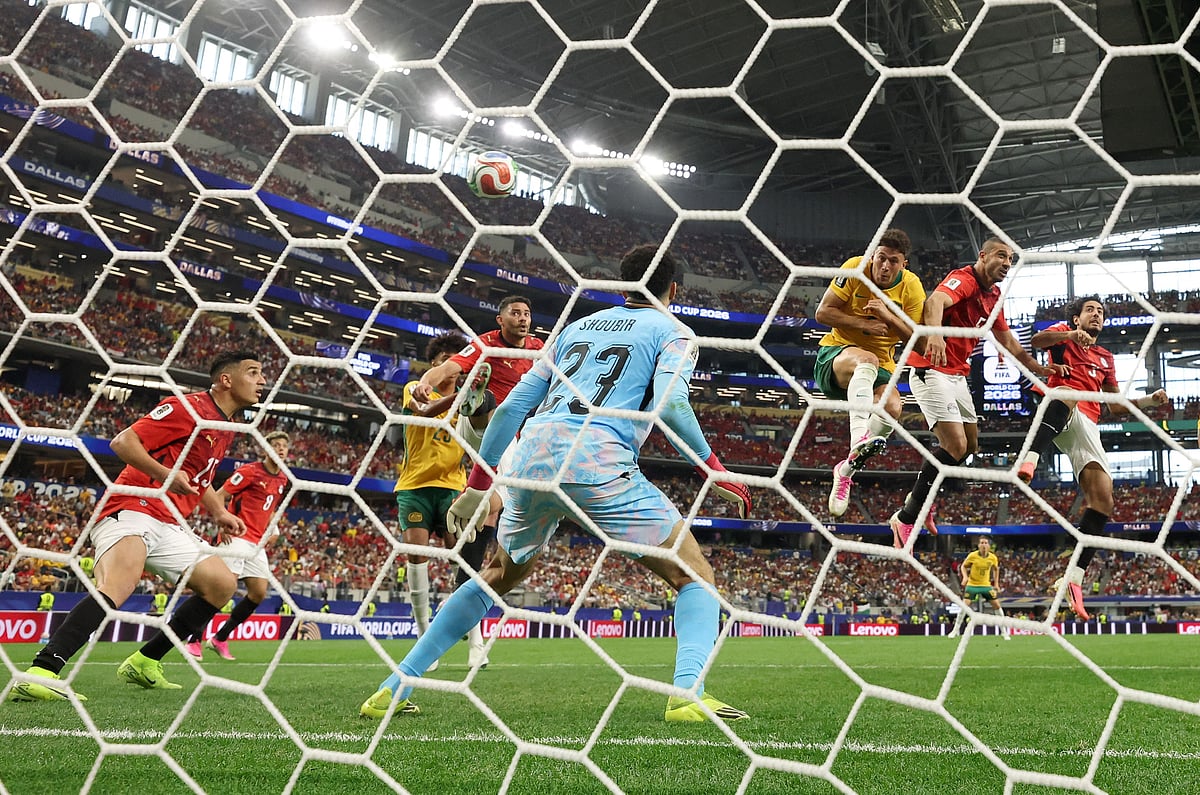
The 2026 World Cup has set a new record for the number of own goals scored. This development raises questions about the reasons behind the unusually high frequency of these incidents in the current tournament. The article aims to explore the factors contributing to this unprecedented occurrence. While the specific number of own goals is not provided, the establishment of a new record indicates a significant deviation from historical trends. The analysis will delve into potential causes, which could range from tactical shifts in play to player fatigue or even the specific conditions of the tournament. Understanding these reasons is crucial for appreciating the dynamics of modern football and the challenges faced by players at the highest level. The focus remains on identifying the underlying causes for this notable statistical anomaly in the ongoing World Cup.
The increased frequency of own goals in the 2026 World Cup may reflect evolving defensive strategies and the pressure inherent in high-stakes international tournaments. As teams push for greater defensive solidity, players might be forced into more desperate clearances under intense attacking pressure, inadvertently leading to own goals. This phenomenon could also be influenced by the expanded tournament format, potentially leading to increased player fatigue and a higher probability of errors. Further analysis could explore whether specific rule changes, technological interventions, or even the unique playing conditions of this particular World Cup are contributing factors, prompting a review of player training and defensive tactics to mitigate such occurrences in future competitions.
AI-generated to prompt reflection — not editorial opinion, not advice, not a statement of fact. How this works.