New Regulations Detail How Energy Consumption in Buildings Will Be Calculated
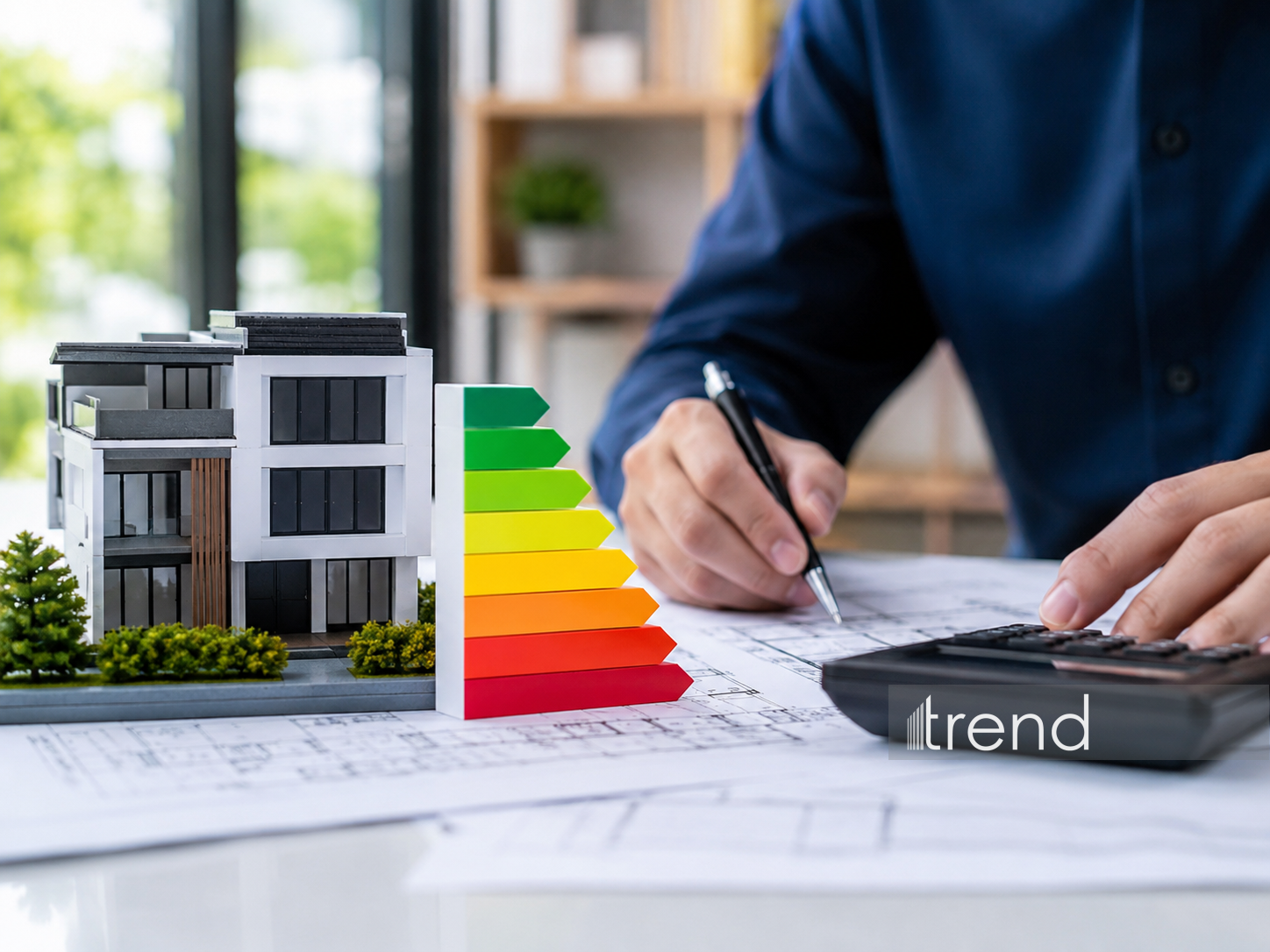
New regulations have been announced that will specify how energy consumption will be calculated for buildings. These guidelines aim to provide a standardized method for assessing the energy performance of structures. The details of these new rules are now available, outlining the specific metrics and procedures that will be employed. This initiative is expected to bring greater transparency and consistency to energy efficiency reporting within the building sector. The implementation of these regulations marks a significant step towards more accurate energy management and conservation efforts. Further information on the calculation methodologies and their application is expected to be released to stakeholders. The public will be informed about the practical implications of these new energy consumption calculation rules.
The introduction of standardized energy consumption calculation methods for buildings reflects a growing global emphasis on energy efficiency and sustainability. This regulatory shift is likely driven by a need to accurately benchmark performance, identify areas for improvement, and potentially enforce energy standards. Such measures can incentivize building owners and developers to invest in energy-saving technologies and practices. Over the next decade, as climate concerns intensify and energy costs fluctuate, these regulations could become a critical tool for policymakers to manage national energy demands and achieve environmental targets. The effectiveness will depend on the clarity of the regulations, the robustness of the calculation methodologies, and the enforcement mechanisms put in place.
AI-generated to prompt reflection — not editorial opinion, not advice, not a statement of fact. How this works.
