New Research Solves 130-Year-Old Debate on Unconscious Actions
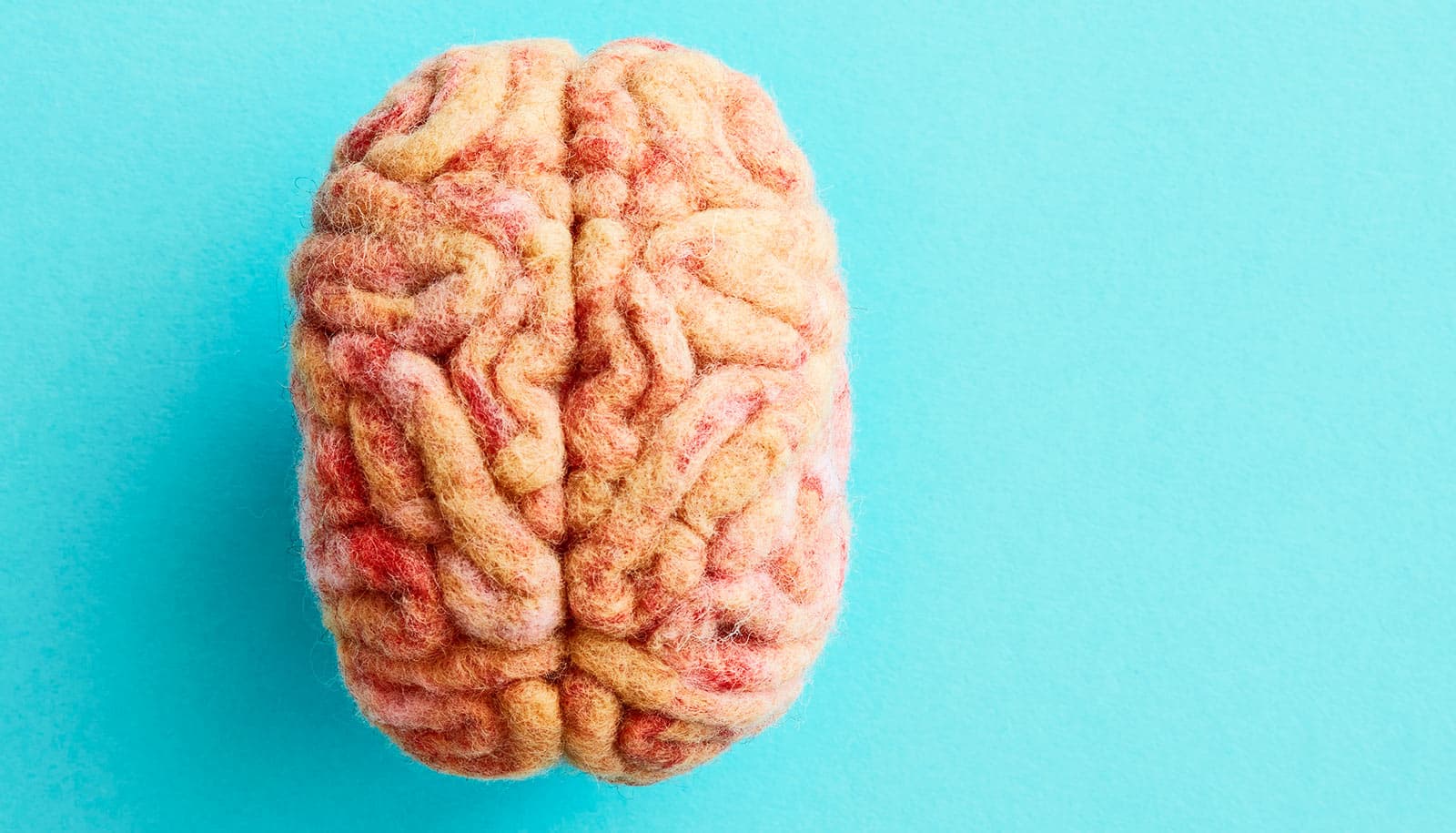
Recent scientific research has settled a long-standing debate that has persisted for over 130 years regarding the brain's activity during unconscious actions. The study delves into the neurological processes that occur when individuals perform actions without conscious awareness. This groundbreaking work provides clarity on how the brain manages tasks that are not under direct volitional control. The findings are expected to reshape our understanding of consciousness and motor control. This research addresses fundamental questions about the nature of human agency and the mechanisms underlying automatic behaviors. The resolution of this enduring scientific question marks a significant advancement in neuroscience. It opens new avenues for exploring the complexities of the human mind and its operational capabilities.
This research addresses a foundational question in neuroscience concerning the brain's capacity for action without conscious intent, a topic debated for over a century. By resolving this, the study offers critical insights into the neural architecture supporting both voluntary and involuntary behaviors. Understanding these mechanisms is increasingly vital in an era where human-machine interaction and AI-driven automation are becoming more prevalent, blurring the lines between human and artificial agency. The findings could inform the development of more intuitive human-computer interfaces and advanced robotics, while also prompting deeper ethical considerations about responsibility and autonomy in increasingly automated environments. Future research may explore the clinical implications for conditions involving impaired conscious control.
AI-generated to prompt reflection — not editorial opinion, not advice, not a statement of fact. How this works.