New Russian Attack on Kyiv Kills 9, Injures 28
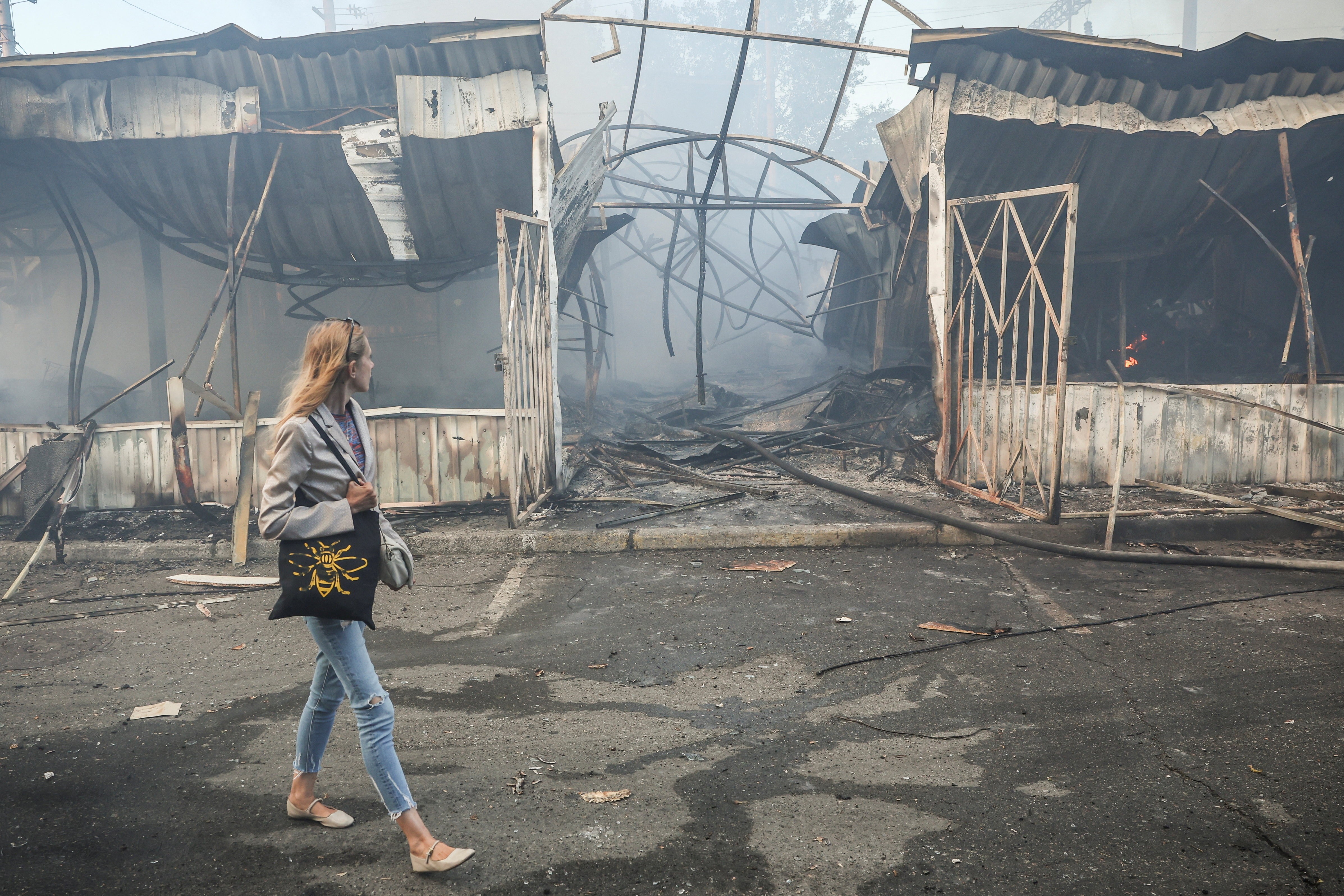
At least nine people were killed and 28 others injured in a new Russian attack on Ukraine's capital, Kyiv, the city's mayor reported on Saturday, August 1st. This latest bombardment follows one of Russia's largest aerial assaults of the war just two days prior. During that earlier attack, Moscow launched over 70 missiles and 280 drones targeting various regions across Ukraine, according to Ukrainian President Volodymyr Zelensky. In recent weeks, Russia has escalated its use of ballistic missiles and drones against Ukraine. The earlier large-scale bombing on Thursday, July 30th, resulted in eight deaths, including six members of the same family, and at least 12 injuries, as reported by the Ukrainian government. Russian forces claimed their strikes hit Kyiv, Lviv, and the regions of Ivano-Frankivsk, Zhytomyr, Rivne, and Dnipropetrovsk, as well as the port of Yuzhny. President Zelensky emphasized the critical need for enhanced protection against Russian missile threats, stating that "Russian terror once again demonstrates that protection against the threat of Russian missiles is the most important thing."
This escalation in aerial attacks on civilian infrastructure highlights a persistent strategy of applying pressure through widespread disruption. The repeated targeting of Ukrainian cities, including the capital, suggests an intent to degrade morale and essential services, rather than solely focusing on military objectives. From a systems perspective, the ongoing conflict strains international response mechanisms and underscores the critical need for robust, globally coordinated air defense capabilities. The cyclical nature of retaliatory strikes and the increasing reliance on varied missile and drone technologies indicate a complex, evolving battlefield dynamic that will likely continue to challenge established security paradigms for the foreseeable future.
AI-generated to prompt reflection — not editorial opinion, not advice, not a statement of fact. How this works.