New Russian soldiers in Ukraine last 20-30 minutes on front lines: CIA Director
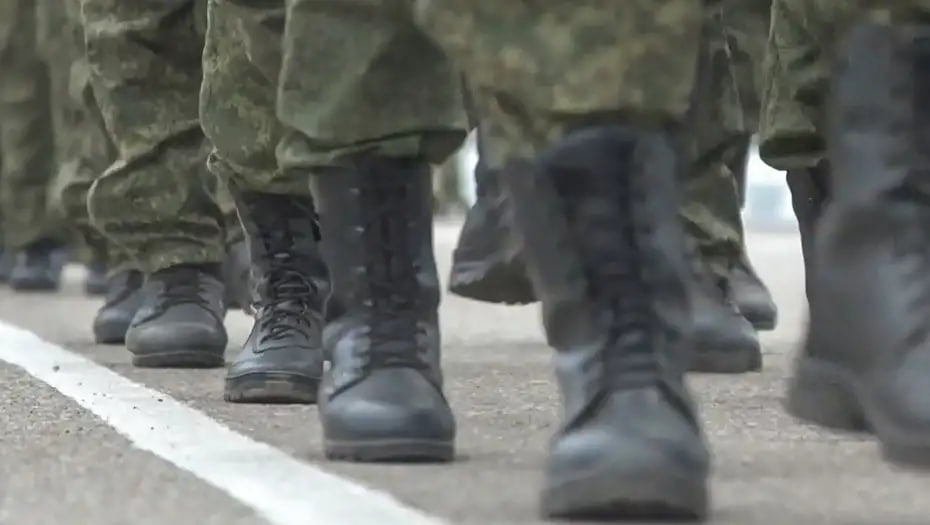
CIA Director John Ratcliffe has stated that newly arrived Russian military personnel in the Ukraine war are dying within an average of 20 to 30 minutes on the front lines. He attributed these high casualties to the widespread use of combat drones equipped with artificial intelligence elements. The deployment of such advanced technology appears to be a significant factor in the rapid attrition rates observed among Russian forces entering the conflict. This indicates a challenging and dangerous environment for unprepared or less technologically equipped soldiers. The effectiveness of AI-powered drones suggests a shift in modern warfare tactics and their impact on battlefield survivability. The short lifespan of these new recruits highlights the intensity and lethality of the current fighting in Ukraine. This situation underscores the strategic implications of integrating AI into military operations and its potential to dramatically alter casualty figures.
The reported short survival time for new Russian soldiers in Ukraine, attributed to AI-enabled drones, suggests a critical inflection point in military technology adoption. This highlights how advanced, autonomous systems can drastically increase battlefield lethality, potentially negating traditional troop advantages. The strategic incentive for nations to rapidly integrate AI into combat operations is clear, aiming to gain decisive advantages through superior situational awareness and precision engagement. However, this also raises profound questions about the ethical implications of AI in warfare, the potential for escalation, and the long-term impact on human soldiers' roles and safety. Future military doctrines will likely grapple with balancing technological superiority against the human cost and the risks of autonomous systems operating at such high speeds.
AI-generated to prompt reflection — not editorial opinion, not advice, not a statement of fact. How this works.