New Series Explores Radical Youth Movements on Far-Right and Far-Left
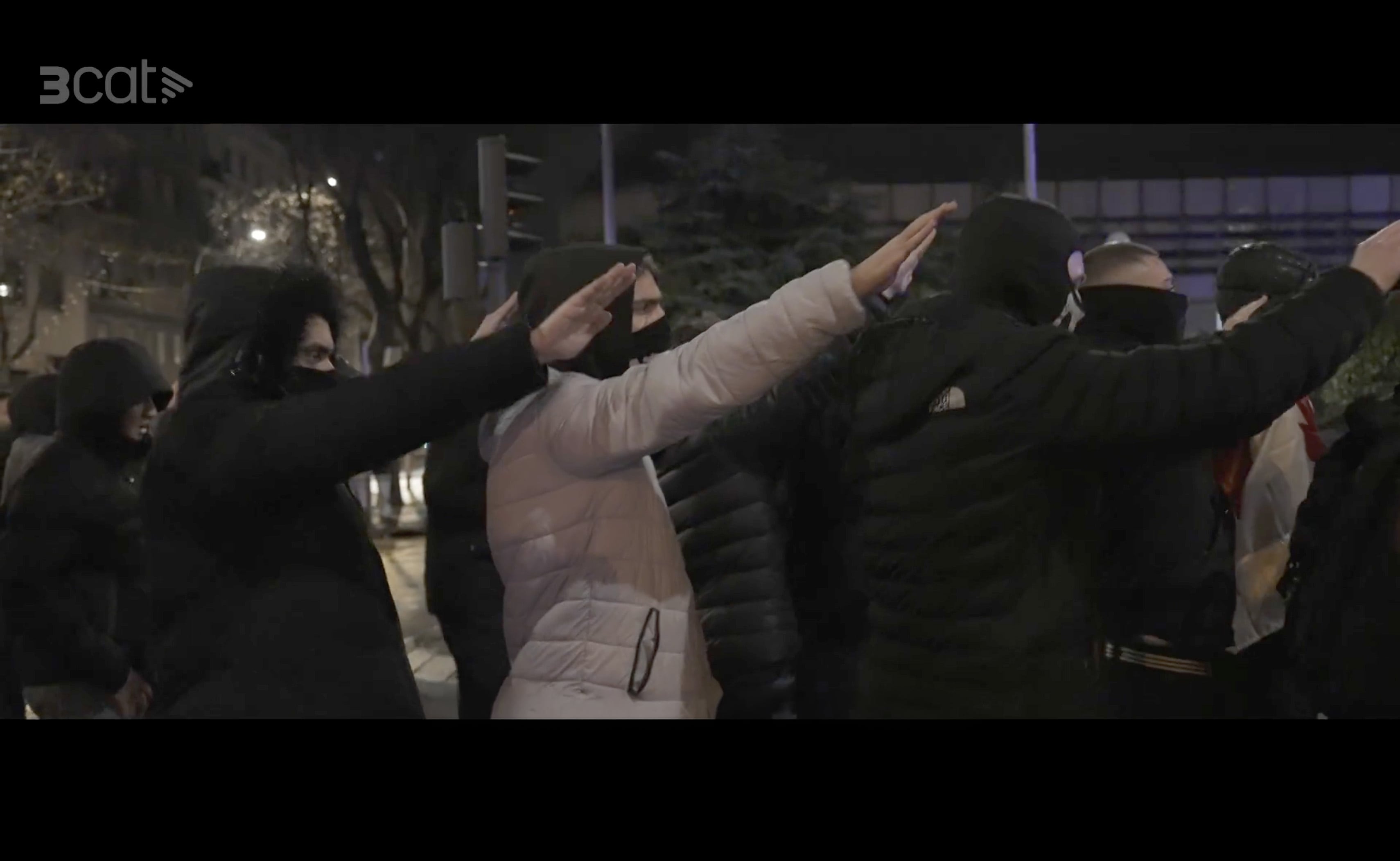
A new series by Raül Gallego, titled 'Punt de no retorn' (Point of No Return), delves into the motivations behind the growing appeal of fascism among young people. The series consists of two new chapters that aim to understand why extremist ideologies are gaining traction. Gallego's work seeks to explore the underlying factors contributing to the rise of these movements. The project directly addresses the question of why far-right ideologies, often associated with fascism, are becoming more attractive to younger generations. Simultaneously, it examines the dynamics of the radical left, suggesting a broader exploration of youth engagement with extreme political viewpoints. The series intends to provide insights into the recruitment and radicalization processes within these groups. By focusing on the youth demographic, Gallego highlights a critical area of concern for contemporary political and social stability. The narrative aims to dissect the complex reasons that draw young individuals towards radical political stances on both ends of the spectrum. Ultimately, 'Punt de no retorn' seeks to offer a comprehensive understanding of these concerning trends.
This series probes the complex societal and individual factors that drive youth towards extremist ideologies on both the far-right and far-left. Understanding these dynamics is crucial for developing effective counter-radicalization strategies and fostering inclusive civic engagement. The analysis of such trends requires careful consideration of economic pressures, social alienation, the influence of digital platforms, and the effectiveness of mainstream political discourse in addressing youth concerns. By examining the 'point of no return,' the series may shed light on the tipping points in radicalization, offering insights into how to intervene earlier and more effectively. The challenge lies in distinguishing genuine ideological conviction from transient disaffection, and in addressing root causes without inadvertently amplifying extremist narratives.
AI-generated to prompt reflection — not editorial opinion, not advice, not a statement of fact. How this works.