New Stroke Cause Identified: Damaged Brain Blood Vessels, Not Plaque
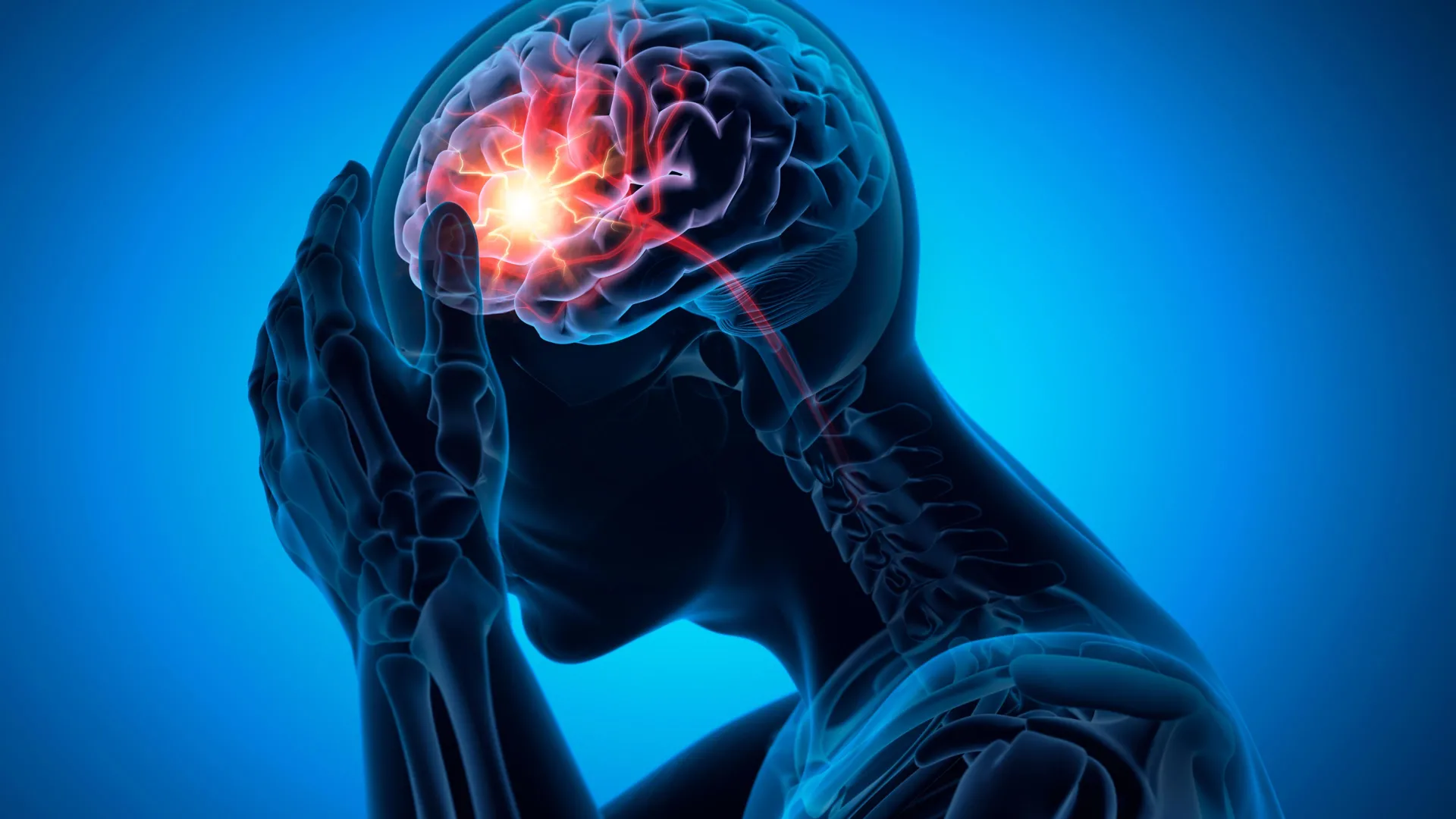
Scientists have identified a new potential cause for a common type of stroke, challenging decades of medical understanding. Previously, the prevailing theory attributed strokes to fatty plaque buildup in arteries. However, new research indicates that enlarged and damaged blood vessels deep within the brain are a more significant factor. This discovery offers a crucial explanation for why conventional treatments, such as aspirin, have often yielded limited success in managing certain strokes. The findings are now directing research efforts toward developing novel therapies specifically targeting the brain's intricate network of small blood vessels. This shift in understanding could lead to more effective diagnostic tools and treatment strategies for patients suffering from this prevalent neurological condition.
This research challenges established medical paradigms regarding stroke etiology, shifting focus from arterial plaque to the integrity of deep cerebral blood vessels. Such a re-evaluation suggests that existing therapeutic strategies, primarily designed to address atherosclerosis, may be misaligned with the underlying pathology of certain stroke types. The identified link between vessel damage and stroke incidence highlights a critical area for future medical innovation, potentially leading to more targeted interventions. This development underscores the importance of continuous scientific inquiry to refine our understanding of complex biological systems and improve patient outcomes, especially as diagnostic capabilities and therapeutic technologies evolve.
AI-generated to prompt reflection — not editorial opinion, not advice, not a statement of fact. How this works.