New Study Links PAK4 Kinase to Liver Fibrosis via YAP Phosphorylation
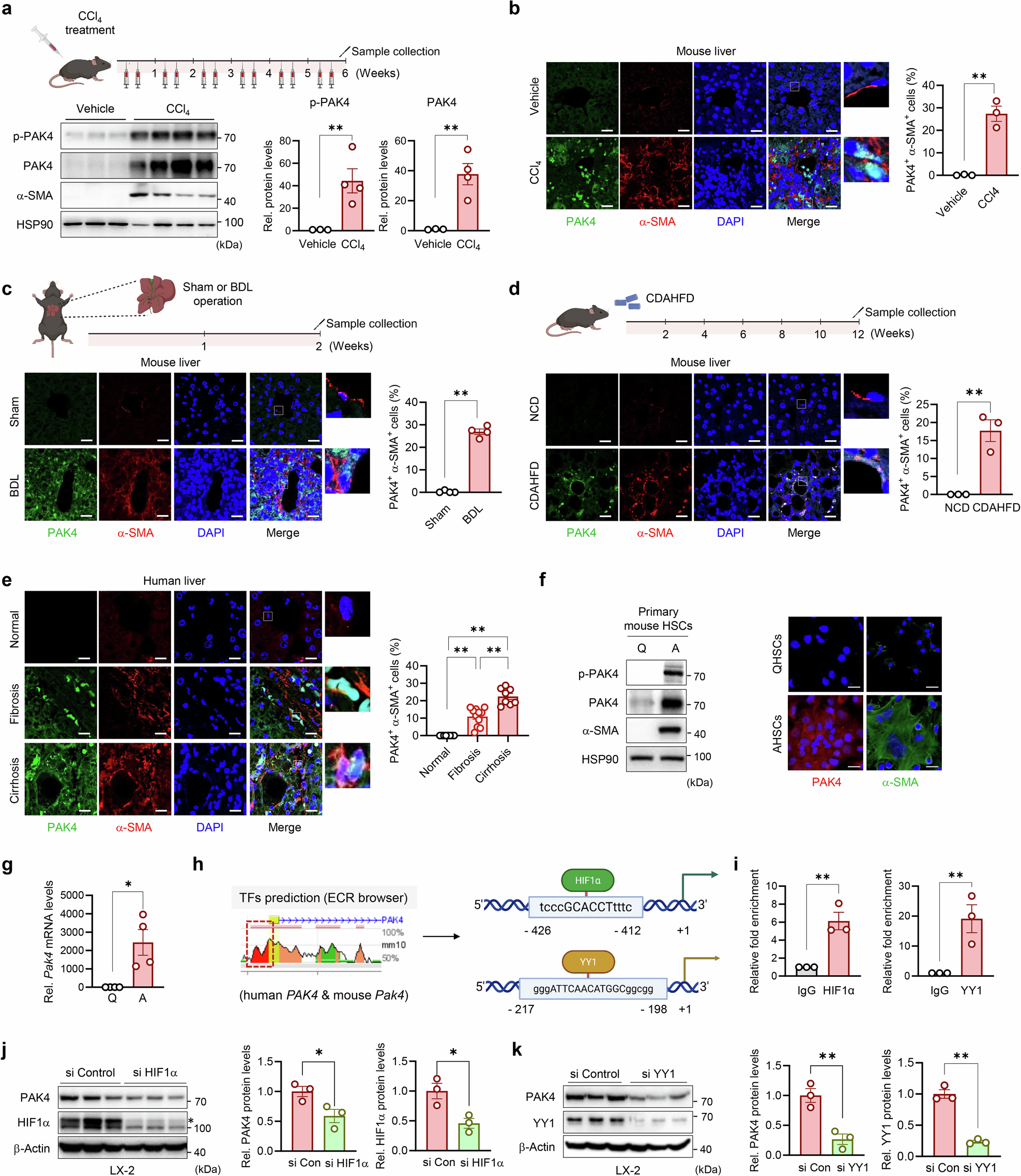
A recent study has identified a key molecular pathway involved in the development of liver fibrosis. The research highlights the role of p21-activated kinase 4 (PAK4) in driving the activation of hepatic stellate cells (HSCs). HSCs are known to play a central role in the fibrotic process, which involves the excessive accumulation of extracellular matrix in the liver.
The study found that PAK4 facilitates this activation by phosphorylating a protein called YAP (Yes-associated protein) at a specific site, threonine 428 (T428). This phosphorylation event is crucial for the subsequent activation of HSCs and the progression of liver fibrosis. Understanding this mechanism provides a potential new target for therapeutic interventions aimed at treating or preventing liver fibrosis.
This research identifies a specific kinase, PAK4, as a critical mediator in liver fibrosis by targeting YAP phosphorylation. From a systems perspective, this finding offers a potential leverage point for therapeutic development, focusing on inhibiting PAK4 or modulating YAP activity to prevent excessive HSC activation. Future research could explore the upstream regulators of PAK4 and the downstream consequences of YAP phosphorylation at T428 in greater detail. Considering the increasing prevalence of chronic liver diseases, understanding these cellular signaling pathways is vital for developing next-generation treatments that address the root causes of fibrosis, moving beyond symptomatic management.
AI-generated to prompt reflection — not editorial opinion, not advice, not a statement of fact. How this works.