New Substance Discovered, Linked to Hiroshima Atomic Bombing
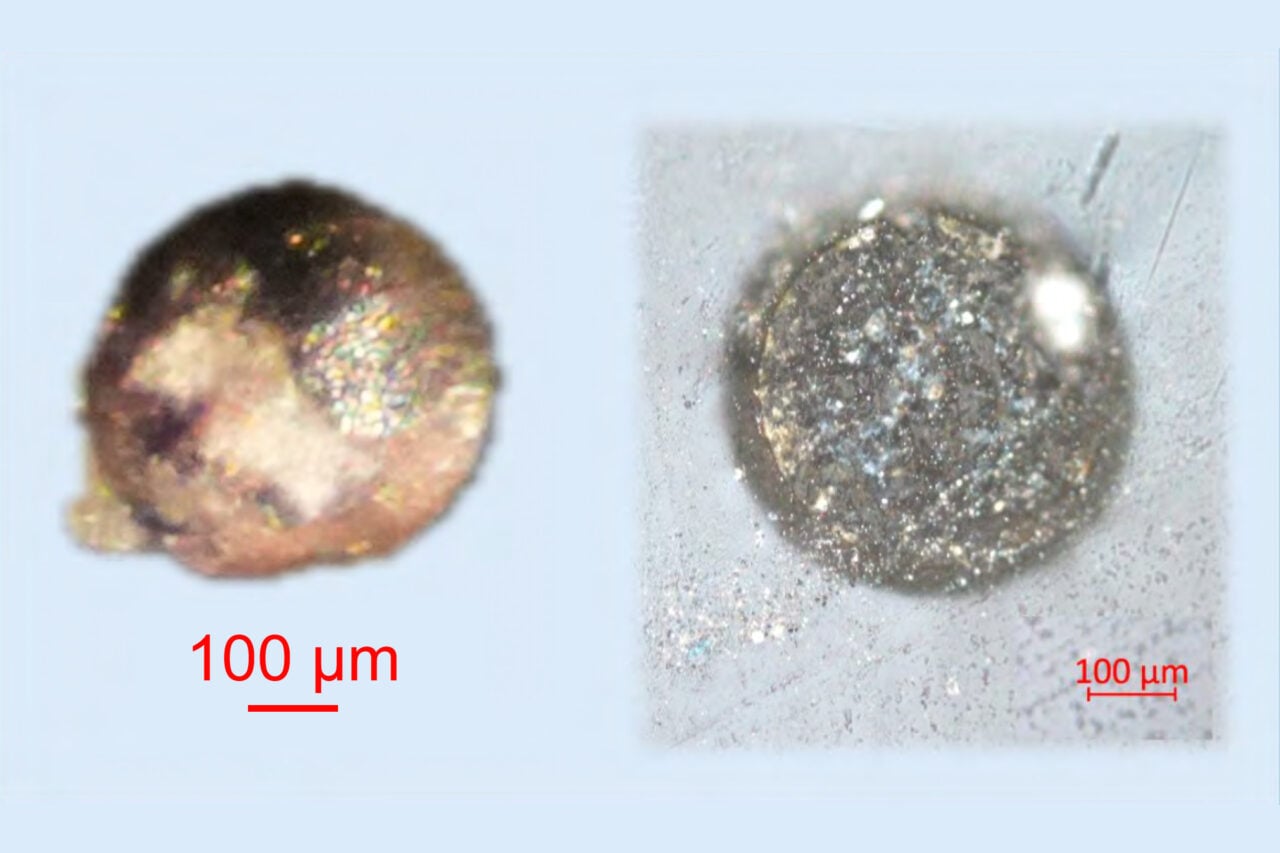
Physicists have identified a previously unknown substance that was created as a direct result of the atomic bombing of Hiroshima on August 6, 1945. The discovery highlights how extreme historical events can lead to unexpected scientific findings. This unique material was formed under the intense heat and pressure generated by the detonation. Researchers are now studying its properties to understand its composition and formation process. The finding suggests that catastrophic events can, paradoxically, serve as catalysts for scientific discovery in chemistry and physics. Further investigation is expected to shed more light on the specific conditions that led to its creation. This substance represents a novel addition to the known elements and compounds, born from one of humanity's most devastating moments. The scientific community anticipates that this discovery could open new avenues of research into materials science and the effects of extreme energy on matter.
The discovery of a new substance linked to the Hiroshima bombing underscores the profound and often unexpected ways extreme historical events can influence scientific understanding. This finding prompts reflection on the dual nature of powerful forces, capable of immense destruction yet also capable of creating novel material phenomena. Examining the conditions under which this substance formed could offer insights into material science and the behavior of matter under extreme energy densities, potentially informing future technological applications or safety protocols. The analysis of such discoveries requires a careful balance between acknowledging the tragic origins and focusing on the objective scientific implications, avoiding sensationalism while recognizing the unique genesis of this material.
AI-generated to prompt reflection — not editorial opinion, not advice, not a statement of fact. How this works.