New Suspected Bird Flu Cases in Australian Seabirds Signal Wider Spread, Experts Warn
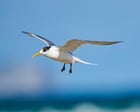
Seven new suspected cases of the deadly H5 bird flu have been reported in South Australia, raising concerns among experts that the disease may be spreading within local bird populations. All affected birds are greater crested terns, a common seabird species found in the region. The cases were discovered along the Limestone Coast in the south-east of the state. Specifically, one bird was found at Cape Jaffa, five were located near Southend Jetty by Beachport, and another was identified at Port MacDonald. This latter location is situated just over 20 kilometers from the border with Victoria. BirdLife Australia has stated that these discoveries are evidence of the outbreak "taking hold" in the local wildlife. The organization views these findings as a significant indicator of the disease's potential spread beyond initial known occurrences into Australia's native bird populations.
The identification of new suspected H5 bird flu cases in Australian seabirds, specifically greater crested terns on the Limestone Coast, suggests a potential expansion of the outbreak into the wider native wildlife population. This development necessitates a robust public health and biosecurity response to monitor and contain the spread, mitigating risks to both avian populations and potential human interfaces. The geographical proximity of one case to the Victorian border also highlights the importance of inter-state coordination in surveillance and control measures. Future efforts should focus on understanding the transmission dynamics within these wild bird populations and reinforcing preventative strategies to safeguard biodiversity and agricultural interests.
AI-generated to prompt reflection — not editorial opinion, not advice, not a statement of fact. How this works.