New Sweet Potato Variety Boosts Yield by 400% and Vitamin A Content
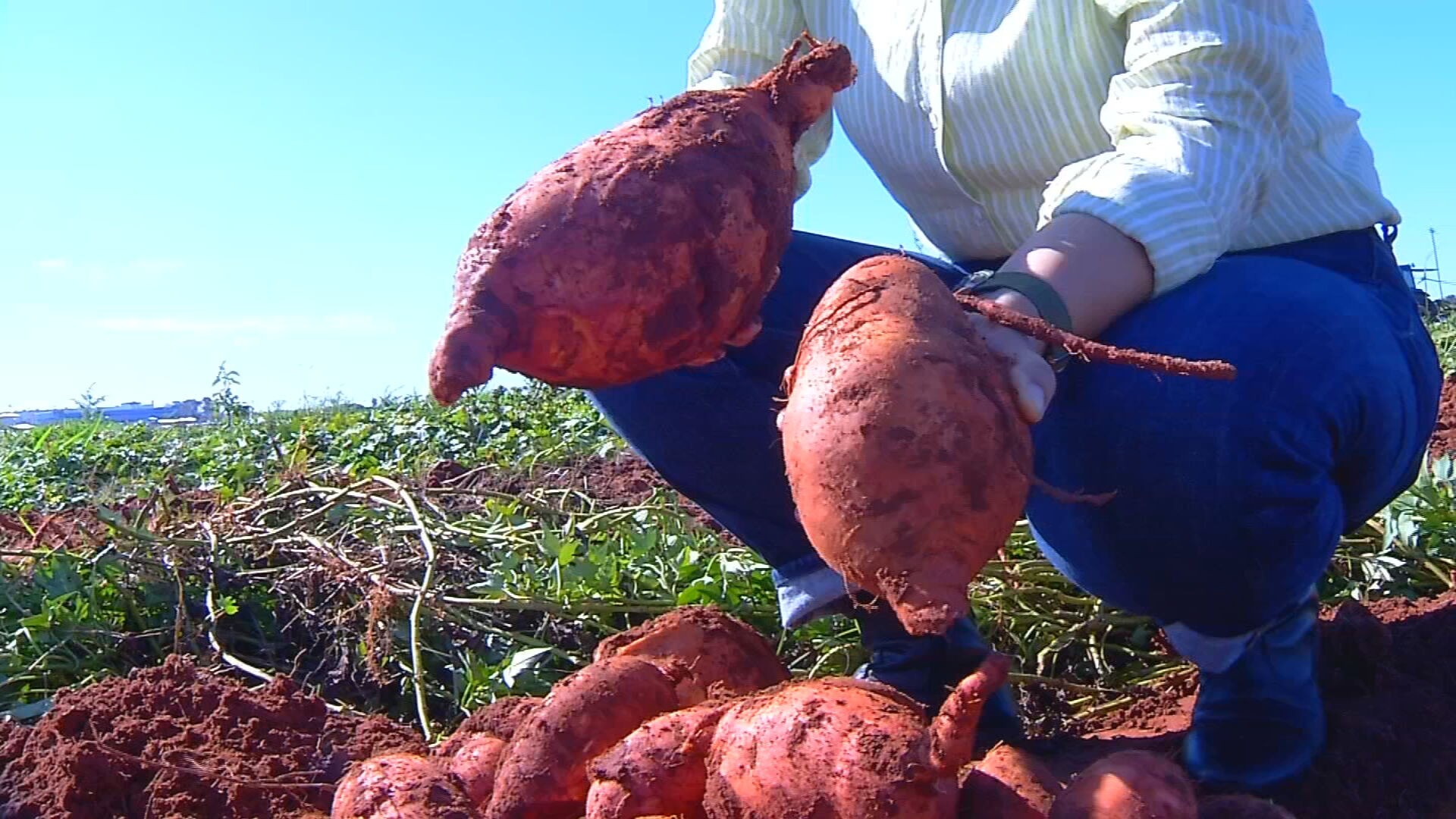
Researchers at the Instituto Agronômico de Campinas (IAC) in São Paulo, Brazil, have developed a new sweet potato variety named 'IAC Dom Pedro II' that offers significantly higher yields and a substantial boost in vitamin A precursors. This new cultivar demonstrated a 48% greater productivity compared to the Canadian variety, which currently leads cultivation in the São Paulo region. Tests conducted on a half-hectare plot at the Agropecuária Technology Production and Transfer Center (CPTTA) in São José do Rio Preto revealed impressive results. The 'IAC Dom Pedro II' boasts a nutritional profile that far surpasses current market standards, with 77 micrograms of beta-carotene per gram of fresh pulp, a stark contrast to the less than 1 microgram per gram found in most commercial varieties. Beta-carotene is a vital antioxidant that the human body converts into vitamin A, essential for development and immune function. According to Carla Zoccal, coordinator of CPTTA, the variety also features a thinner skin, which reduces waste. Valdemir Antonio Peressin, a researcher at IAC's Horticulture Center, reported that the variety's productive potential is around 80 tons per hectare, which is approximately four times the average productivity in São Paulo state and five times the national average. While still in the early stages of experimentation, plans are underway to double the planting area to encourage adoption by local farmers. The municipality aims to introduce this 'super sweet potato' into the diets of its schools and daycare centers.
The development of the 'IAC Dom Pedro II' sweet potato highlights a strategic approach to enhancing food security and public health through agricultural innovation. By significantly increasing yield and nutritional density, particularly in beta-carotene, this cultivar addresses both economic viability for farmers and critical dietary needs within the population. The focus on school feeding programs suggests a forward-thinking policy aimed at improving child nutrition from an early age, potentially mitigating long-term health issues associated with vitamin A deficiency. Future considerations may involve scaling production, ensuring equitable access to seeds for smallholder farmers, and conducting long-term studies on the impact of widespread adoption on local economies and public health metrics. This initiative exemplifies how targeted crop development can serve as a powerful tool for sustainable development and societal well-being.
AI-generated to prompt reflection — not editorial opinion, not advice, not a statement of fact. How this works.