New Technology Offers Hope for Restoring Movement and Sensation in Paralyzed Patients
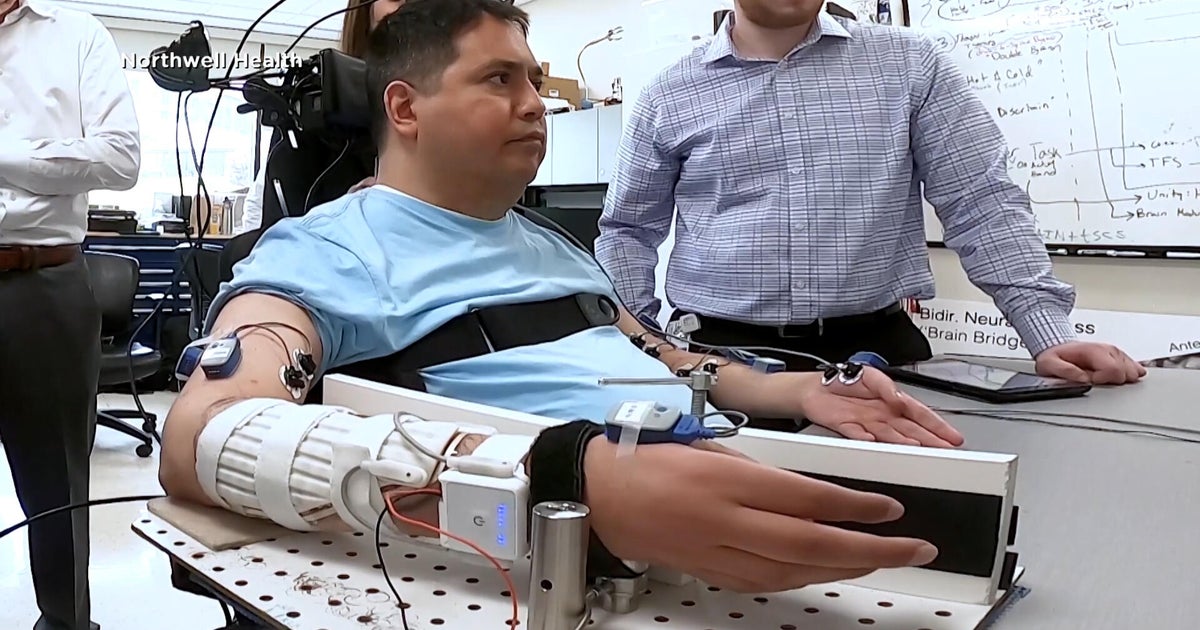
A groundbreaking technology has been identified that holds the potential to restore both movement and sensation for millions of individuals living with paralysis due to spinal cord injuries. This development could significantly improve the quality of life for a vast number of patients worldwide. The specifics of this technology and its expected impact were detailed in a recent report. While the full scope of its capabilities is still under investigation, the initial findings suggest a significant leap forward in the field of regenerative medicine and assistive technologies. The research aims to address the complex challenges associated with spinal cord damage, which often results in permanent loss of function. This new approach offers a beacon of hope for patients and their families, potentially leading to greater independence and improved well-being. Further clinical trials and development are anticipated to refine the technology and assess its long-term efficacy and safety.
This technological advancement addresses a critical unmet medical need, offering a potential paradigm shift in treating spinal cord injuries. By focusing on restoring both motor function and sensory perception, the technology targets the core challenges faced by paralyzed individuals. Future developments will likely involve navigating complex regulatory pathways and scaling production to ensure accessibility. The long-term implications could include reduced healthcare burdens and enhanced societal inclusion for those affected by paralysis, prompting a re-evaluation of rehabilitation strategies and assistive device markets.
AI-generated to prompt reflection — not editorial opinion, not advice, not a statement of fact. How this works.