New Threat Emerges on Frontlines, Outdating Soviet Tanks; Soldiers Describe Hellish Conditions
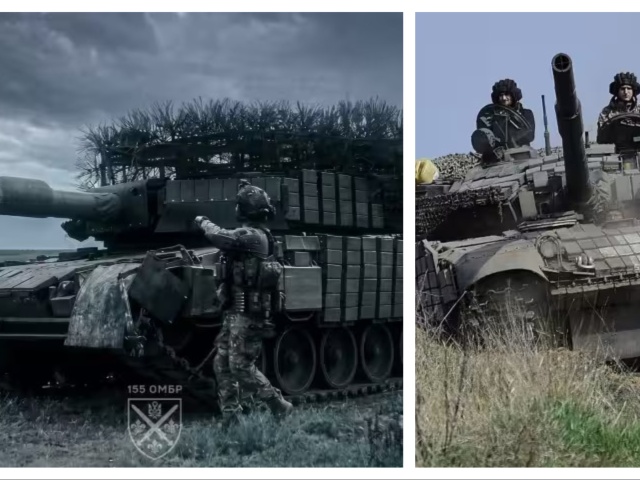
A new and unexpected enemy has appeared on the frontlines, rendering older Soviet-era tanks ineffective and unprepared for the challenges they face. Soldiers on the ground have described the combat situation as hellish, indicating extreme difficulty and danger. This development has become a significant concern, highlighting a critical vulnerability in current military hardware. The effectiveness of existing armored vehicles is now in question as they struggle to counter this novel threat. The situation underscores the rapidly evolving nature of modern warfare and the constant need for technological adaptation. Reports from the front suggest that the unpreparedness of these tanks is leading to significant tactical disadvantages. The experiences of the soldiers paint a grim picture of the ongoing conflict and the severe impact of this new enemy. Further details on the nature of the threat and the specific limitations of the Soviet tanks are expected to emerge as the situation develops.
The emergence of a new adversarial capability on the battlefield necessitates a rapid reassessment of military hardware and strategic doctrine. The obsolescence of older Soviet-era tanks against this novel threat suggests a potential gap in technological foresight or adaptation. This situation highlights the critical importance of continuous intelligence gathering and R&D investment to maintain a strategic advantage in an era of accelerating technological change. Military planners must consider the systemic implications of such technological surprises, focusing on agile procurement and development cycles to ensure future force readiness. The described 'hellish conditions' underscore the human cost of such strategic vulnerabilities and the imperative for effective leadership and resource allocation to mitigate risks for personnel.
AI-generated to prompt reflection — not editorial opinion, not advice, not a statement of fact. How this works.