New Tools Aid Research into Selenium's Role in Ferroptosis and Other Cellular Processes
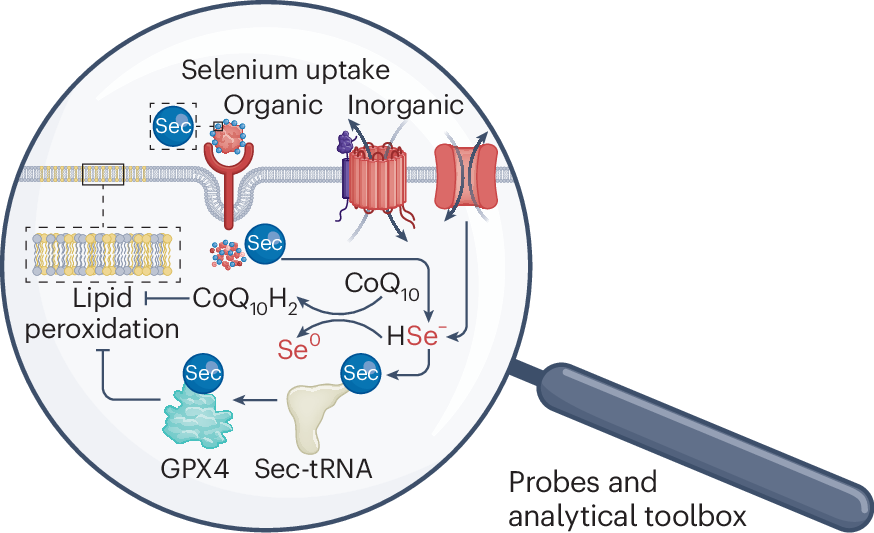
Researchers are developing novel tools to better understand the complex role of selenium in cellular processes, particularly its contribution to ferroptosis. Ferroptosis is a form of regulated cell death characterized by iron accumulation and lipid peroxidation. Selenium, an essential trace element, has been shown to influence various cellular functions, including antioxidant defense and metabolism. The development of these new investigative tools is crucial for deciphering selenium's precise mechanisms of action within cells. Scientists aim to elucidate how selenium impacts the pathways leading to ferroptosis, which has implications for understanding diseases like cancer, neurodegenerative disorders, and cardiovascular conditions. Beyond ferroptosis, these tools will also help explore selenium's broader influence on other cellular events. This research could pave the way for new therapeutic strategies that leverage selenium's properties. Understanding these cellular mechanisms is vital for advancing human health and disease treatment. The ongoing work promises to shed light on previously unknown aspects of selenium biochemistry.
The advancement of investigative tools for studying selenium's role in ferroptosis signifies a growing scientific effort to precisely map micronutrient interactions with cellular death pathways. This research is critical as it moves beyond broad correlations to detailed mechanistic understanding, essential for developing targeted interventions. As our ability to manipulate cellular processes like ferroptosis improves, understanding the dual nature of elements like selenium—beneficial in trace amounts but potentially toxic in excess—becomes paramount. Future therapeutic strategies will likely involve nuanced dosing and delivery mechanisms, moving away from generalized supplementation towards precision medicine. The challenge lies in translating these laboratory findings into safe and effective clinical applications, considering the complex biological systems involved and potential off-target effects.
AI-generated to prompt reflection — not editorial opinion, not advice, not a statement of fact. How this works.
