New Treatments for Tuberculous Meningitis Explored Using Mouse and Human Models
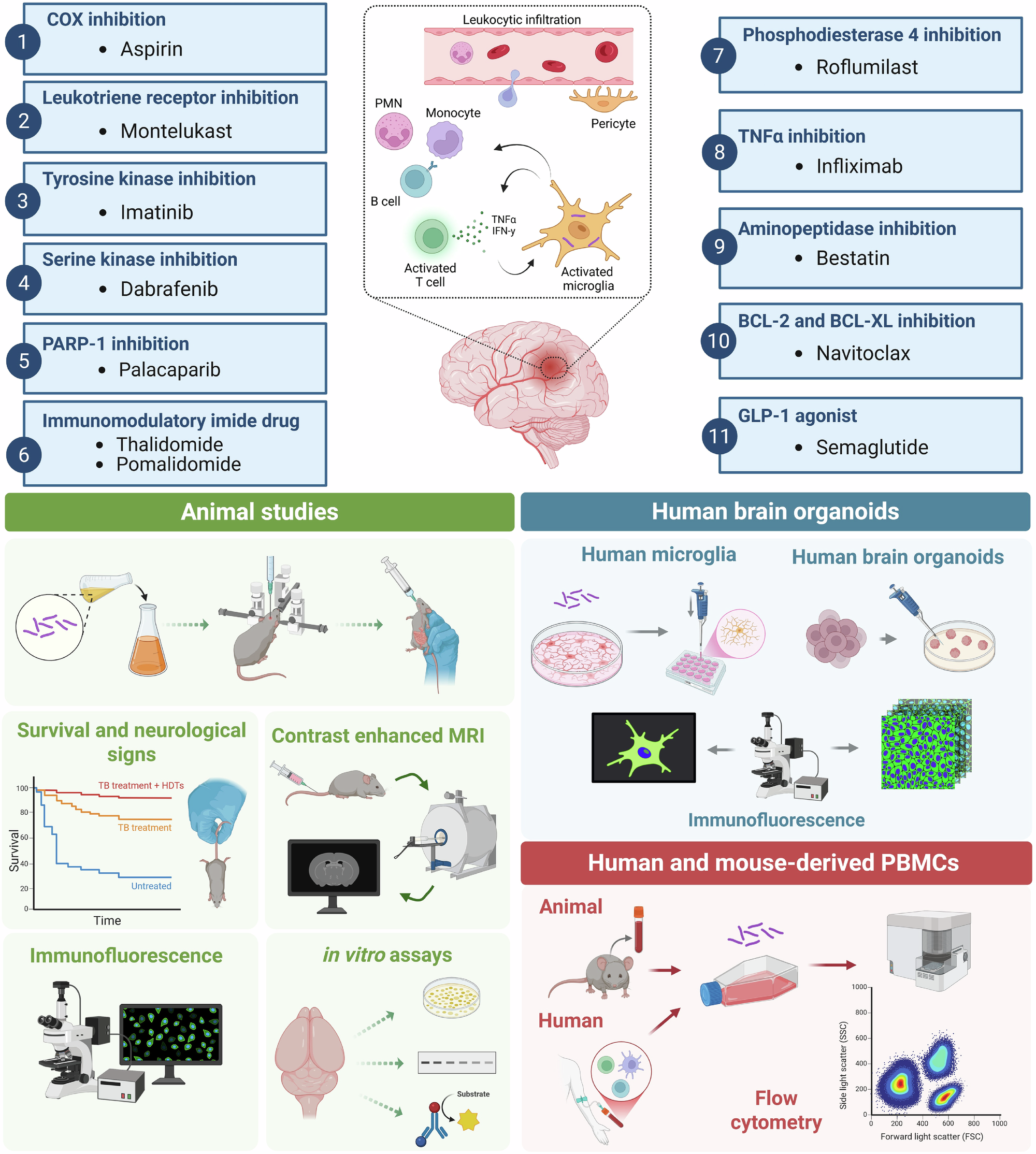
Researchers are investigating novel host-directed treatments for tuberculous meningitis (TBM), employing a multi-platform approach that integrates findings from both mouse and human models. This innovative strategy aims to develop more effective therapeutic interventions for this severe form of tuberculosis that affects the brain and its surrounding membranes. TBM is notoriously difficult to treat, with high mortality and significant long-term neurological sequelae in survivors. The current standard of care often involves a combination of antibiotics, but these treatments have limitations, including drug resistance and the need for prolonged therapy. The multi-platform approach allows for a comprehensive understanding of the disease's complex pathophysiology and the host's immune response. By studying TBM in both animal models and human patient samples, scientists can identify potential therapeutic targets that modulate the host's immune system to better combat the infection. This research could pave the way for new treatment regimens that are more potent and potentially reduce the duration of therapy, thereby improving outcomes for patients suffering from tuberculous meningitis.
This research initiative addresses a critical unmet medical need in combating tuberculous meningitis, a devastating disease with limited treatment options. By integrating data from preclinical mouse models with human studies, the approach seeks to bridge the gap between laboratory discoveries and clinical applicability. This strategy is crucial for understanding the intricate host-pathogen interactions and immune responses that characterize TBM. The focus on host-directed therapies suggests a shift towards modulating the body's own defenses rather than solely relying on direct antimicrobial action, which could offer advantages in overcoming drug resistance and reducing treatment toxicity. Future developments will likely hinge on the ability to translate these findings into safe and effective clinical interventions that can be implemented globally, particularly in high-burden regions.
AI-generated to prompt reflection — not editorial opinion, not advice, not a statement of fact. How this works.