New University Project by Kazuhiko Nishi Faces Obstacles on Kanto Gakuin University Site
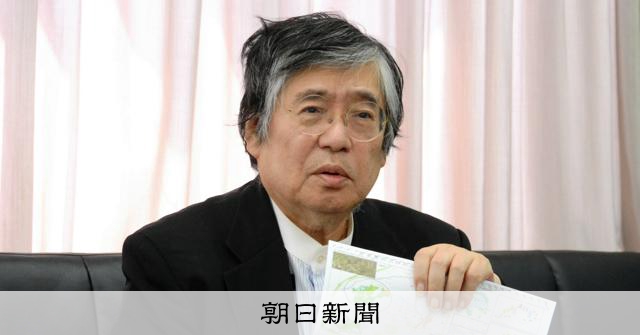
A planned new university spearheaded by Kazuhiko Nishi has encountered significant difficulties, stalling its progress. The project was intended to be established on the former campus of Kanto Gakuin University, a site where 4 billion yen in subsidies had already been invested. The exact nature of the obstacles and the current status of the university's development remain unclear, but the project's future appears uncertain. Kazuhiko Nishi, known for his involvement in the technology and education sectors, had ambitious plans for this new institution. The substantial investment of public funds through subsidies highlights the significant expectations placed on this venture. The failure or delay of the project raises questions about the planning and execution processes, especially given the financial commitment already made. Further details regarding the reasons for the project's stagnation are awaited. The situation underscores the challenges in establishing new educational institutions, even with considerable financial backing and prominent figures involved.
The stalled development of Kazuhiko Nishi's planned university, situated on the former Kanto Gakuin University grounds with 4 billion yen in subsidies, presents a case study in the complexities of educational infrastructure projects. The significant public investment suggests a strategic intent to revitalize the site and potentially address educational needs. However, the current impasse indicates potential misalignments between initial planning, financial projections, and execution realities. Future endeavors in similar large-scale educational projects may benefit from more robust risk assessment frameworks, phased investment strategies tied to demonstrable milestones, and transparent governance structures to ensure accountability and efficient resource allocation. Examining the underlying causes of this delay could offer valuable lessons for public-private partnerships in education, particularly in navigating the transition from existing institutional footprints to new academic models.
AI-generated to prompt reflection — not editorial opinion, not advice, not a statement of fact. How this works.