New US Tariffs on Brazilian Goods Spark Concern Among São Paulo Exporters
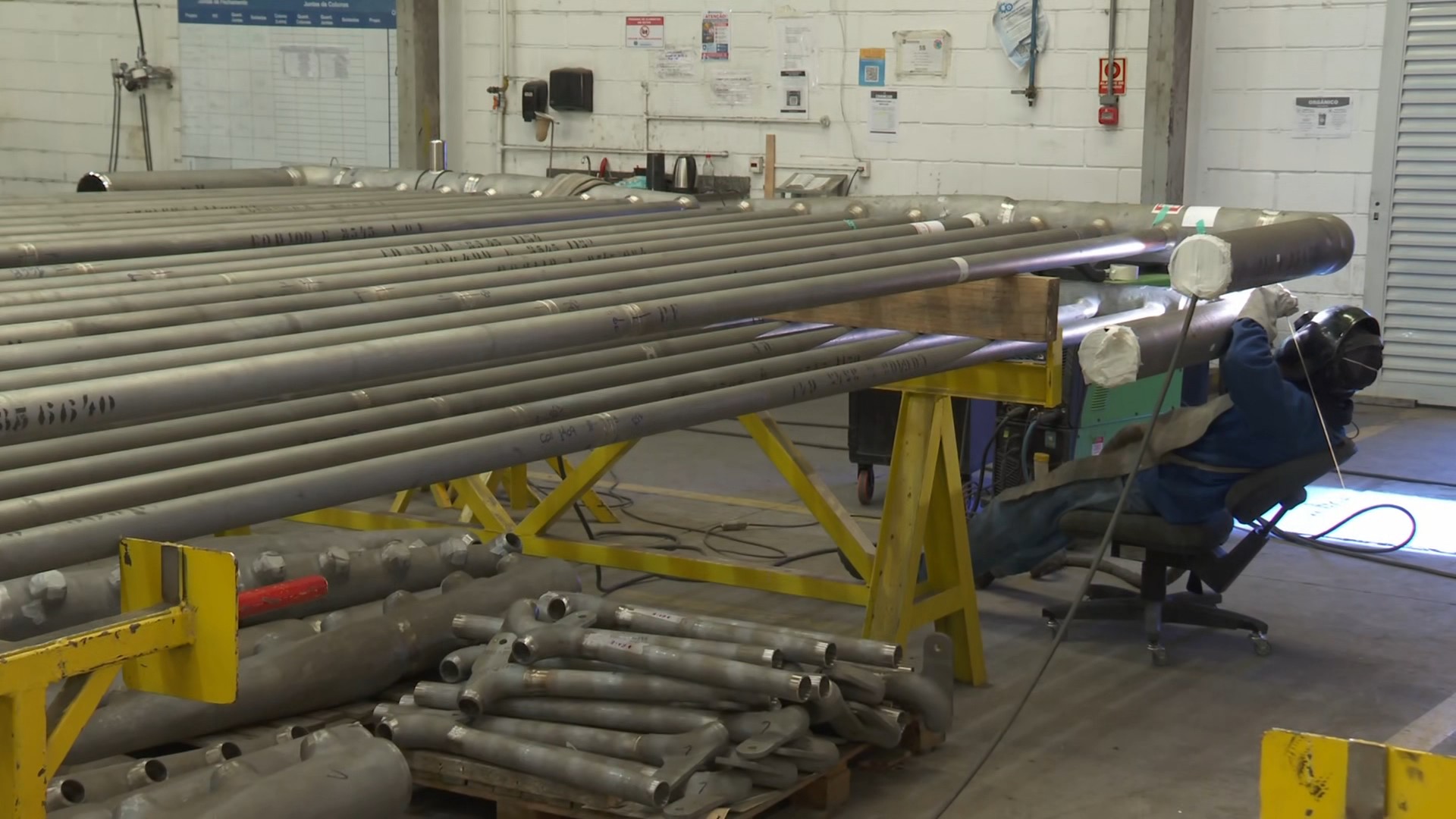
A new 25% tariff imposed by the U.S. government under Donald Trump on Brazilian products is causing significant concern among exporting companies in São Carlos and the surrounding region of São Paulo state. This additional tax means that for every $100 in goods sent to the U.S., importers must pay an extra $25. The measure directly threatens approximately $15 billion in annual Brazilian sales. While some key commodities like coffee and orange juice are exempt, crucial sectors such as ethanol, industrial machinery, and steel structures are heavily impacted. Companies in São Carlos, particularly in the metalworking sector, fear a loss of competitiveness against European rivals, as the U.S. is their primary market. João Sverzut Baroni, director of steel foundry Engemasa, stated that the tariff makes many current U.S. clients unviable and that the company is exploring new markets, a process that can take three to five years due to the need for custom-made equipment and supply chain certifications. The Center of Industries of the State of São Paulo (Ciesp) criticized the tariff as "purely political," despite U.S. justifications citing environmental and regulatory reasons. Economists warn of a potential ripple effect on local employment if federal credit support does not reach affected businesses promptly. Orion Godinho explained that U.S. buyers might remove Brazilian products from their portfolios, reducing business volume and hindering job creation. However, analysts suggest this U.S. trade action may accelerate Brazil's ongoing diversification of export markets, as U.S. demand had already shown signs of slowing. Brazil is expected to strengthen trade ties with China, Latin America, and the European Union. In response, the Brazilian government has released R$18.5 billion in credit to support affected companies, part of the "Brasil Soberano 3" program.
The imposition of a 25% U.S. tariff on specific Brazilian exports, affecting sectors like steel and ethanol, highlights the complex interplay between national economic policy and global trade dynamics. While the U.S. cites environmental and regulatory reasons, the move is perceived by Brazilian industry as politically motivated, potentially disrupting established supply chains and jeopardizing employment in regions like São Paulo. This event underscores the vulnerability of export-dependent economies to protectionist measures and the strategic imperative for diversification. Brazilian companies face the challenge of adapting to shifting market access, which requires long-term planning and investment in new markets, a process that could be accelerated by this trade friction. The Brazilian government's credit release signals an effort to mitigate immediate economic fallout and support industrial resilience, but the long-term efficacy will depend on the sustainability of alternative trade partnerships and the evolving geopolitical landscape.
AI-generated to prompt reflection — not editorial opinion, not advice, not a statement of fact. How this works.