New Warning Strikes Announced in German Retail Sector
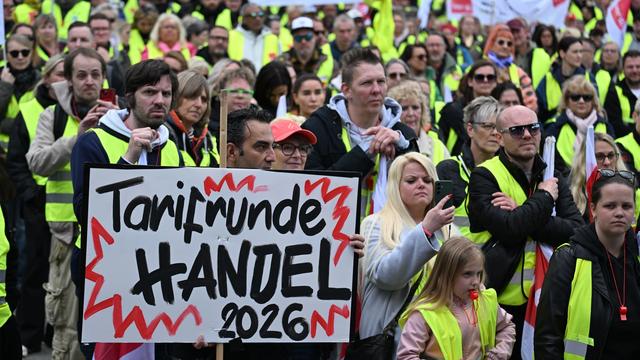
Employees in Germany's retail sector are preparing for further warning strikes as collective bargaining negotiations continue without a resolution. The announcement signals an escalation in the ongoing labor dispute between trade unions and employers. These strikes are intended to put pressure on retailers to meet the unions' demands regarding wages and working conditions. The specific sectors and companies affected by the new wave of industrial action are expected to be announced shortly by the unions. This development highlights the persistent challenges in reaching an agreement that satisfies both employee representatives and business owners in the retail industry. The negotiations have been ongoing for some time, with previous rounds of strikes also occurring. The unions are pushing for significant wage increases to compensate for inflation and to improve the overall compensation package for retail workers. Employers, on the other hand, have expressed concerns about the economic impact of such demands on their businesses, particularly in the current economic climate. The outcome of these negotiations is crucial for the future of labor relations in one of Germany's largest economic sectors.
The recurring warning strikes in Germany's retail sector reflect the inherent tension between labor cost demands and business profitability, a dynamic amplified by inflationary pressures. As unions seek to secure improved living standards for their members, employers grapple with maintaining competitive pricing and operational viability. This cycle of industrial action underscores the need for innovative negotiation frameworks that can accommodate both fair compensation and sustainable business models. Looking ahead, the retail industry's adaptation to evolving consumer behaviors and technological advancements may necessitate a re-evaluation of traditional compensation structures and employee benefit packages to foster long-term stability and productivity.
AI-generated to prompt reflection — not editorial opinion, not advice, not a statement of fact. How this works.