New wildfire near Perpignan burns 930 hectares; Costa Brava fire contained
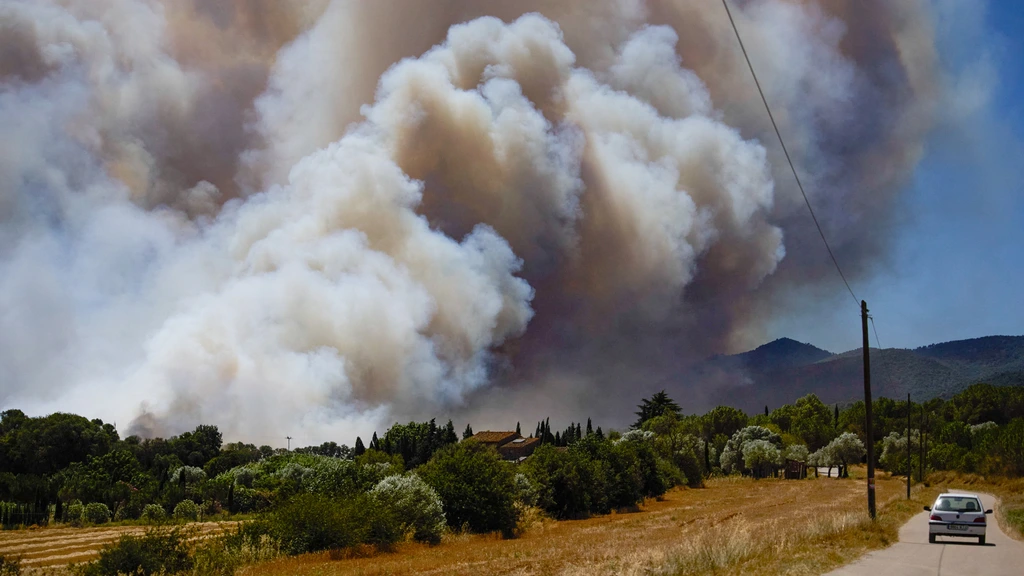
A new wildfire near Perpignan in southern France has rapidly consumed 930 hectares of land since last evening. France Info reports that 580 firefighters are battling the blaze, which is located in the difficult-to-access mountainous municipality of Trévillach, approximately 35 kilometers from the city. The highest official in the Pyrénées-Orientales department has urged the public to avoid the area to allow emergency services unobstructed access, and several roads have been closed. No evacuation orders have been issued for this new fire yet. This incident occurs amidst multiple wildfires in the region, following the evacuation of 3,000 people, mostly from campsites, near Sainte-Marie-la-Mer and Canet-en-Roussillon on Thursday. Temperatures in southern France are expected to reach up to 38 degrees Celsius today and tomorrow, with the Pyrénées-Orientales department under a 'code orange' alert for heat.
Meanwhile, a wildfire on the Spanish Costa Brava near La Bisbal d'Empordà, which had spread to 2,400 hectares since Friday due to wind, is now under control, according to the fire department and RTVE. While the fire is not spreading, it remains difficult to manage and has not been fully extinguished. Authorities anticipate it could be put out in a few days. A lockdown was initially imposed on approximately 45,000 residents, with 16,000 still under restrictions, though further easing is expected. The Costa Brava fires may have been started by a man using a grinder along the roadside, an activity prohibited during this dry season due to sparks; he has been arrested and is facing proceedings. Separately, a four-day-old wildfire in Vouzela, Portugal, has injured at least seven people, with Spanish firefighting units assisting in containment efforts.
The concurrent wildfires in France and Spain highlight the escalating risk posed by climate change, particularly intensified heatwaves and prolonged dry periods. The incident involving a grinder on the Costa Brava suggests that human activity, even if unintentional, remains a significant ignition factor, underscoring the need for stringent enforcement of fire prevention regulations during high-risk seasons. The deployment of substantial firefighting resources, including 580 personnel for the new French fire and external assistance for the Portuguese blaze, indicates the significant strain on emergency services. The differing responses, from evacuations to lockdowns, reflect the challenges authorities face in balancing public safety with individual liberties and economic impact. Looking ahead, the increasing frequency and intensity of such events necessitate a systemic approach, integrating climate adaptation strategies, advanced early warning systems, and potentially rethinking land use and community planning in fire-prone areas to build resilience against future environmental pressures.
AI-generated to prompt reflection — not editorial opinion, not advice, not a statement of fact. How this works.