New York Building Owner to Rebuild 15 Buckled Floors Amid Conversion Challenges
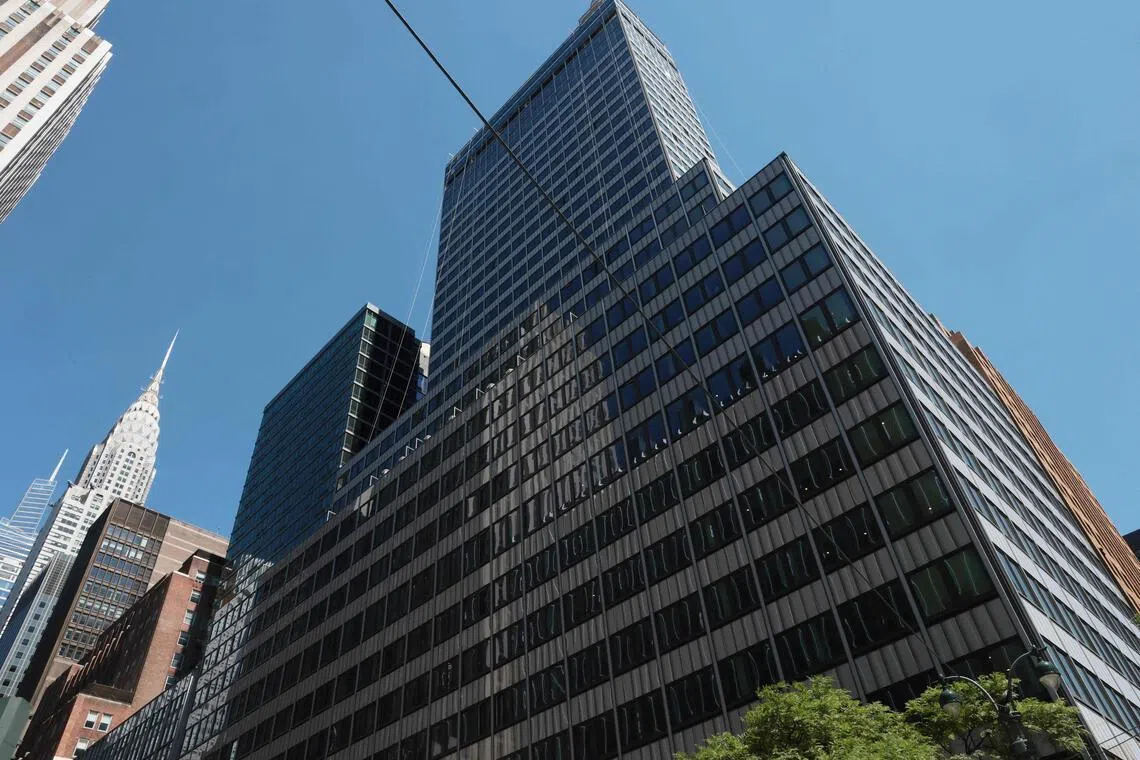
The owner of a New York building is planning to reconstruct 15 floors that have buckled. This structural issue has brought to light the complex engineering hurdles associated with converting office buildings for other uses. The damage underscores the difficulties faced in adapting existing commercial spaces to meet new demands. The incident serves as a case study in the practical challenges of urban redevelopment projects. It highlights the need for meticulous planning and execution in such large-scale renovations. The reconstruction effort will likely involve significant engineering expertise to ensure the building's stability and safety. This situation also raises questions about the long-term viability and cost-effectiveness of widespread office-to-residential or other types of conversions. The focus remains on addressing the immediate structural damage while also considering the broader implications for future development.
The buckling of 15 floors in a New York building during an office conversion highlights systemic challenges in adaptive reuse projects. Such incidents underscore the critical need for robust structural assessments and advanced engineering solutions when repurposing older commercial infrastructure for new purposes. The economic incentives driving conversions must be balanced against the significant technical risks and potential costs associated with unforeseen structural issues. Future urban planning and development strategies should integrate more comprehensive risk mitigation frameworks for adaptive reuse, ensuring that the pursuit of modernization does not compromise building integrity or public safety. This event prompts consideration of whether current regulatory oversight adequately addresses the complexities of large-scale building transformations in an era of evolving urban needs.
AI-generated to prompt reflection — not editorial opinion, not advice, not a statement of fact. How this works.