New York City Investigates Legionnaires' Disease Outbreak, Testing Water in Manhattan Neighborhoods
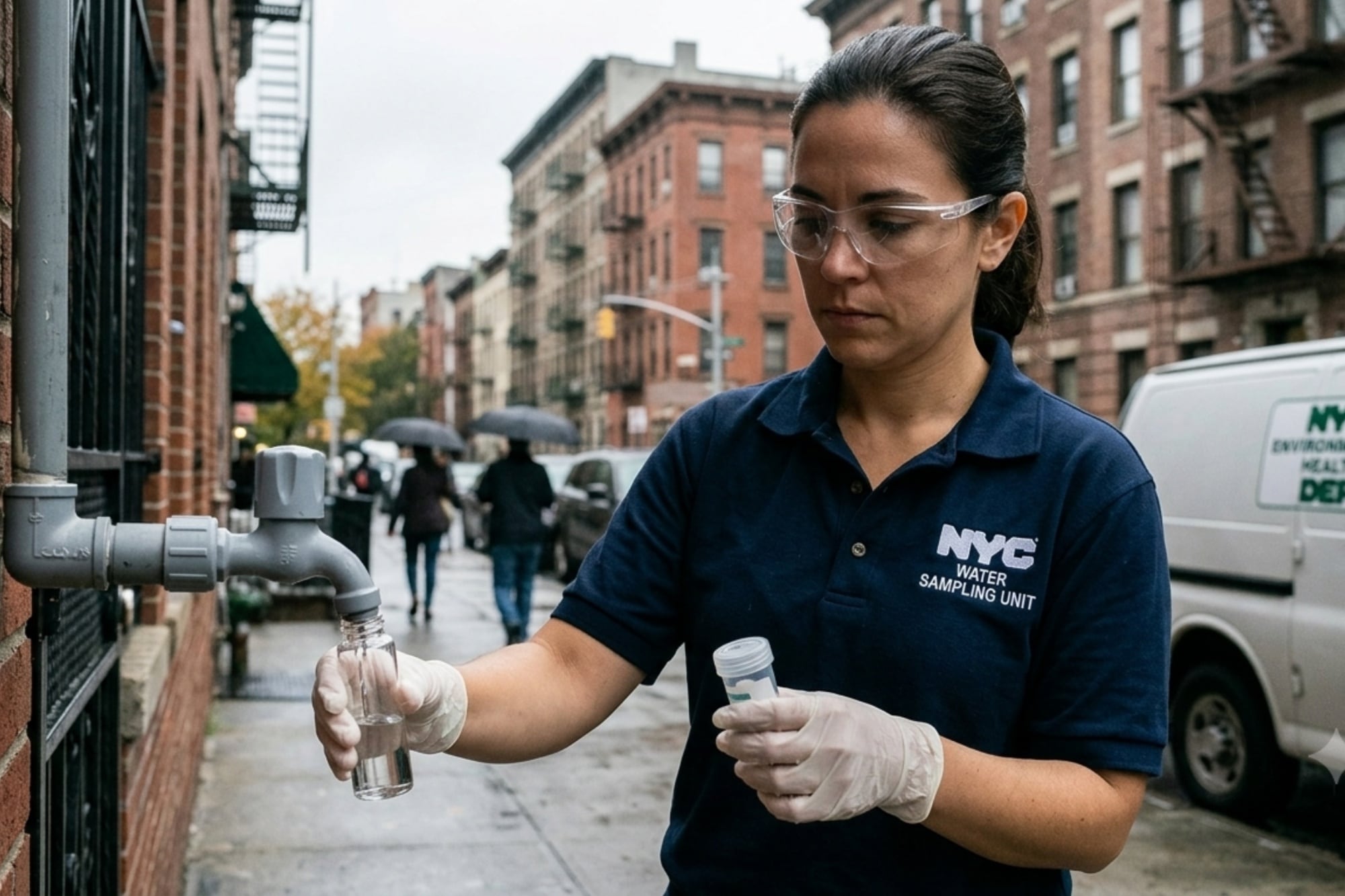
New York City officials are actively investigating a potential outbreak of Legionnaires' disease and are collecting water samples in specific Manhattan neighborhoods. The investigation aims to identify the source of the bacteria responsible for this serious respiratory illness. Legionnaires' disease is a severe form of pneumonia caused by the Legionella bacteria. These bacteria are commonly found in freshwater environments, such as lakes and streams, but can also thrive in man-made water systems like those in buildings. Transmission occurs when people inhale microscopic water droplets containing the bacteria, often from sources like contaminated air conditioning systems, hot tubs, or showerheads. Symptoms typically include fever, cough, muscle aches, and shortness of breath, and can develop within two to 14 days after exposure. While most healthy individuals do not get Legionnaires' disease after being exposed to Legionella, it can be particularly dangerous for older adults, people with underlying lung conditions, and those with weakened immune systems. Public health authorities are urging residents in the affected areas to remain vigilant and report any concerning symptoms to their healthcare providers. The city's Department of Health and Mental Hygiene is leading the sampling efforts to pinpoint the origin and implement necessary control measures.
The proactive water sampling by New York City authorities in response to Legionnaires' disease underscores the critical need for robust public health infrastructure and timely intervention. This situation highlights the persistent challenge of managing waterborne pathogens in complex urban environments, where aging infrastructure can create breeding grounds for bacteria. The focus on environmental sampling reflects a systemic approach to identifying and mitigating public health risks, aiming to prevent further transmission. Looking ahead, such incidents emphasize the growing importance of advanced water quality monitoring technologies and proactive maintenance strategies to safeguard urban populations against emergent infectious threats in an era of increasing environmental and climate pressures.
AI-generated to prompt reflection — not editorial opinion, not advice, not a statement of fact. How this works.