New York City Mayor Zohran Mamdani Declines $300,000 Salary Increase
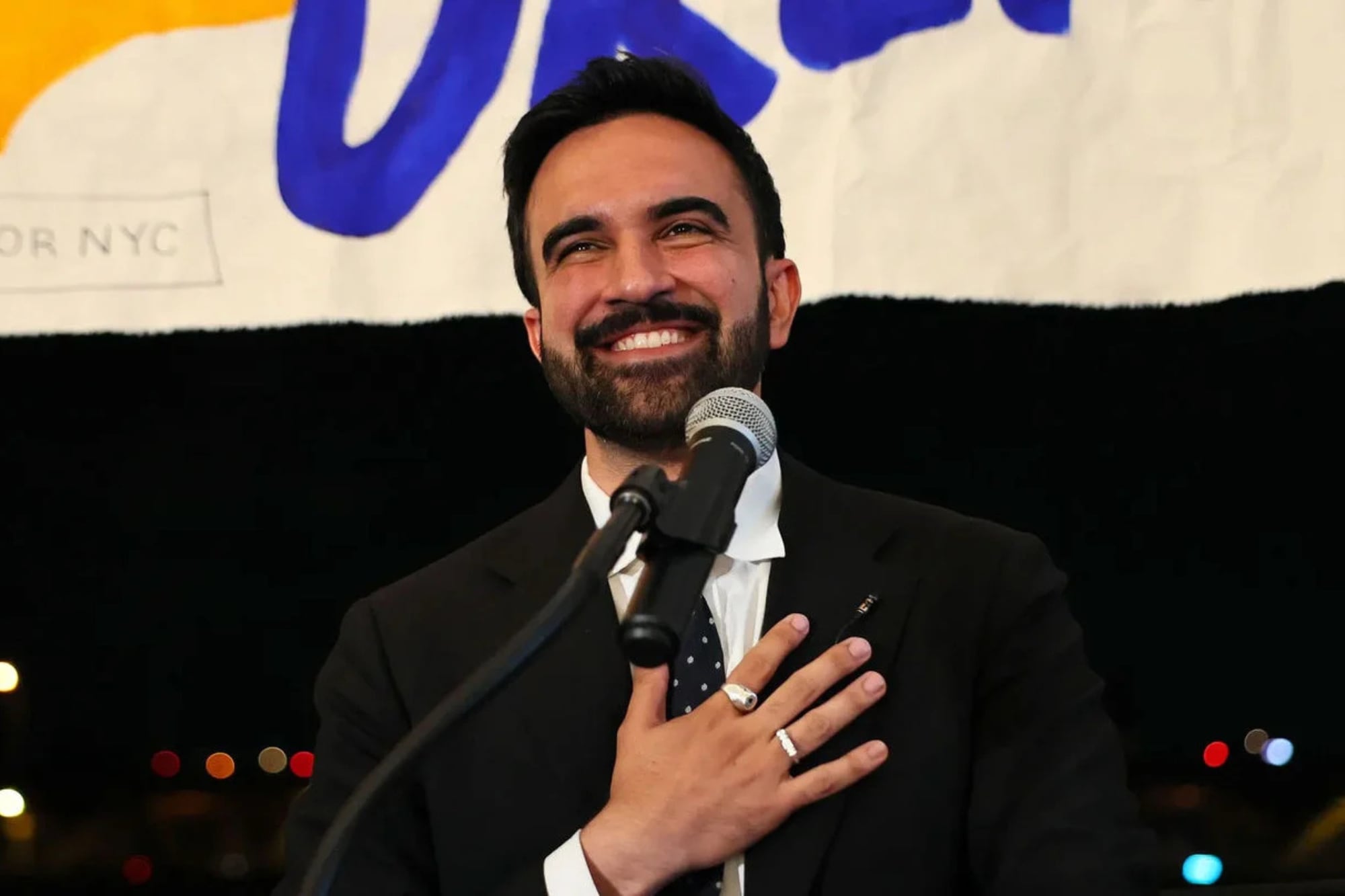
New York City Mayor Zohran Mamdani has rejected a significant salary increase approved by the New York City Council. The proposed raise would have elevated his annual income to $300,000. Mamdani's decision means he will forgo this substantial pay bump, continuing to earn his current salary. The City Council's approval of the pay raise for elected officials, including the mayor, was a notable decision. However, Mamdani's public refusal highlights a potential disconnect between the council's fiscal judgment and the mayor's personal financial stance or public perception priorities. The exact amount Mamdani will save annually by declining the raise is a direct consequence of this rejection. This move sets a precedent and raises questions about compensation for public office in New York City.
Mayor Mamdani's rejection of a $300,000 salary increase, approved by the New York City Council, presents an interesting case study in public service compensation and political signaling. While the council's decision may reflect an assessment of the role's responsibilities and market rates for executive positions, Mamdani's refusal could be interpreted through various lenses. It might align with a broader public sentiment regarding the affordability of city governance or a personal commitment to fiscal austerity. Alternatively, it could be a strategic move to enhance public trust and differentiate himself from traditional political norms. The long-term implications for mayoral compensation structures and the public's perception of elected officials' financial decisions warrant observation as technology and societal expectations evolve.
AI-generated to prompt reflection — not editorial opinion, not advice, not a statement of fact. How this works.