New York City residential tower evacuated due to imminent collapse risk
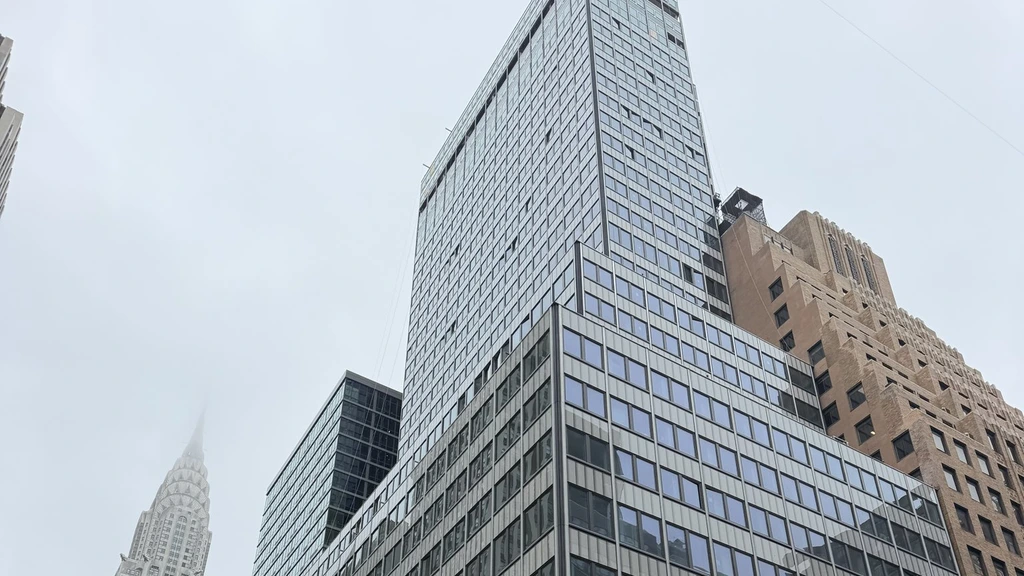
The area surrounding a residential tower in downtown New York City has been evacuated due to fears of an imminent collapse. Construction workers reported structural issues this morning, stating that two steel support columns have bent. Concrete has broken loose, glass has fallen from window frames, and several upper floors are reportedly sinking. The building, formerly the headquarters of pharmaceutical company Pfizer, is undergoing conversion into residential units, with plans for 1600 apartments. This 38-story structure, located near Times Square, was originally built in 1961. In addition to the tower itself, adjacent buildings, including a hotel and a school with 400 students, were also evacuated. Traffic has been rerouted around the site since the morning rush hour. Fortunately, no injuries have been reported, and the construction workers who discovered the structural problems were able to exit the building safely. The fire department is currently assessing the situation and determining the available options, while Mayor Mamdani is being kept informed.
The structural integrity failure at the former Pfizer building highlights critical oversight challenges in large-scale building conversions, particularly those involving historic structures. The rapid transformation of an office tower into a residential complex with a significant number of units, coupled with the discovery of bent support columns and floor sinking, suggests potential underestimation of the cumulative stress or inadequate reinforcement during the renovation process. Future urban development strategies may need to incorporate more rigorous, real-time structural monitoring systems, especially for projects involving significant repurposing or located in densely populated areas. The incident underscores the importance of robust regulatory frameworks and independent engineering audits to ensure public safety and prevent cascading failures in aging infrastructure undergoing modernization.
AI-generated to prompt reflection — not editorial opinion, not advice, not a statement of fact. How this works.