New York Halts New Data Center Construction Amid Energy and Water Concerns
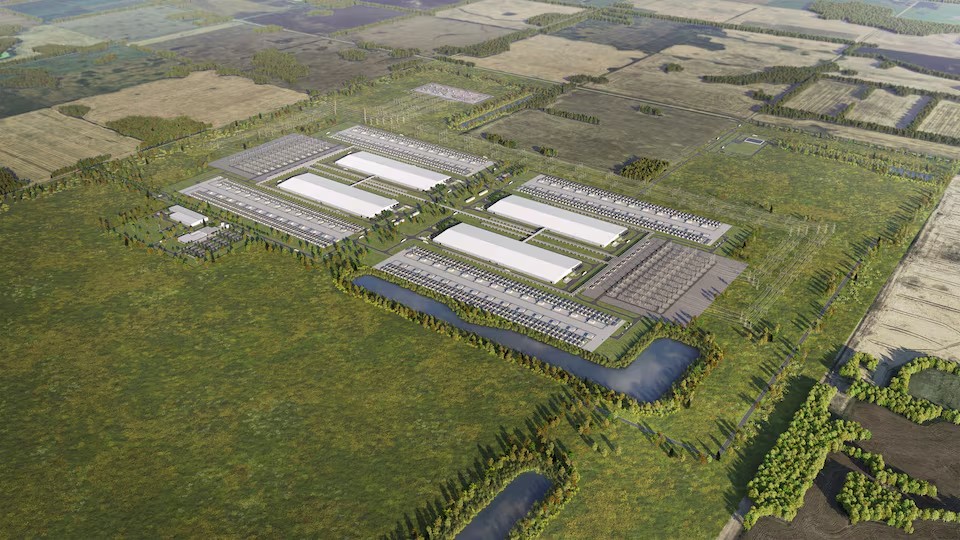
New York has become the first U.S. state to temporarily suspend the construction of new large data centers, implementing a one-year pause on the approval of environmental permits for facilities with a capacity of 50 megawatts or more. This decision stems from growing concerns regarding the significant impact these centers have on energy consumption, water usage, and local communities. The moratorium aims to allow the state government to conduct a thorough analysis of environmental impacts and establish new regulations for future data center developments. Governor Kathy Hochul stated her responsibility to act due to the potential for increased energy bills, depletion of natural resources, and uncertainty for New Yorkers. While New York currently has over 130 data centers, the pause does not affect projects that have already completed their licensing processes. Technology companies like Alphabet and Microsoft have not commented, while Meta, Amazon, and Oracle did not respond to requests for statements. Digital Realty, a data center operator, suggested the pause could divert investments to other states, arguing that a year-long suspension is not the correct approach. Doug Adams, CEO of NTT Global Data Centers, emphasized the industry's need to better communicate the benefits of data centers, such as job creation and investment, alongside their resource utilization. The expansion of data centers across the U.S. is a growing concern due to their substantial electricity demands, with some communities fearing higher electricity bills and strain on the power grid. A recent Reuters/Ipsos poll indicated that only one in three Americans support the current pace of data center construction, with a majority opposing such facilities in their own communities.
New York's decision to pause new data center construction highlights a critical tension between technological advancement and resource sustainability. The state's action reflects a broader societal reckoning with the environmental footprint of digital infrastructure, particularly as AI demand escalates. This pause prompts a re-evaluation of how to balance the economic benefits of data centers, such as job creation and investment, against their substantial energy and water requirements. Future regulatory frameworks will likely need to incentivize energy efficiency, water recycling, and responsible siting to mitigate these impacts. The move may also spur innovation in less resource-intensive data center designs and encourage investment in renewable energy sources to power these facilities. Ultimately, this situation underscores the need for proactive, long-term planning to ensure that the digital economy's growth is compatible with environmental stewardship and community well-being.
AI-generated to prompt reflection — not editorial opinion, not advice, not a statement of fact. How this works.