New York Halts New Data Centers to Protect Residential Electricity Bills
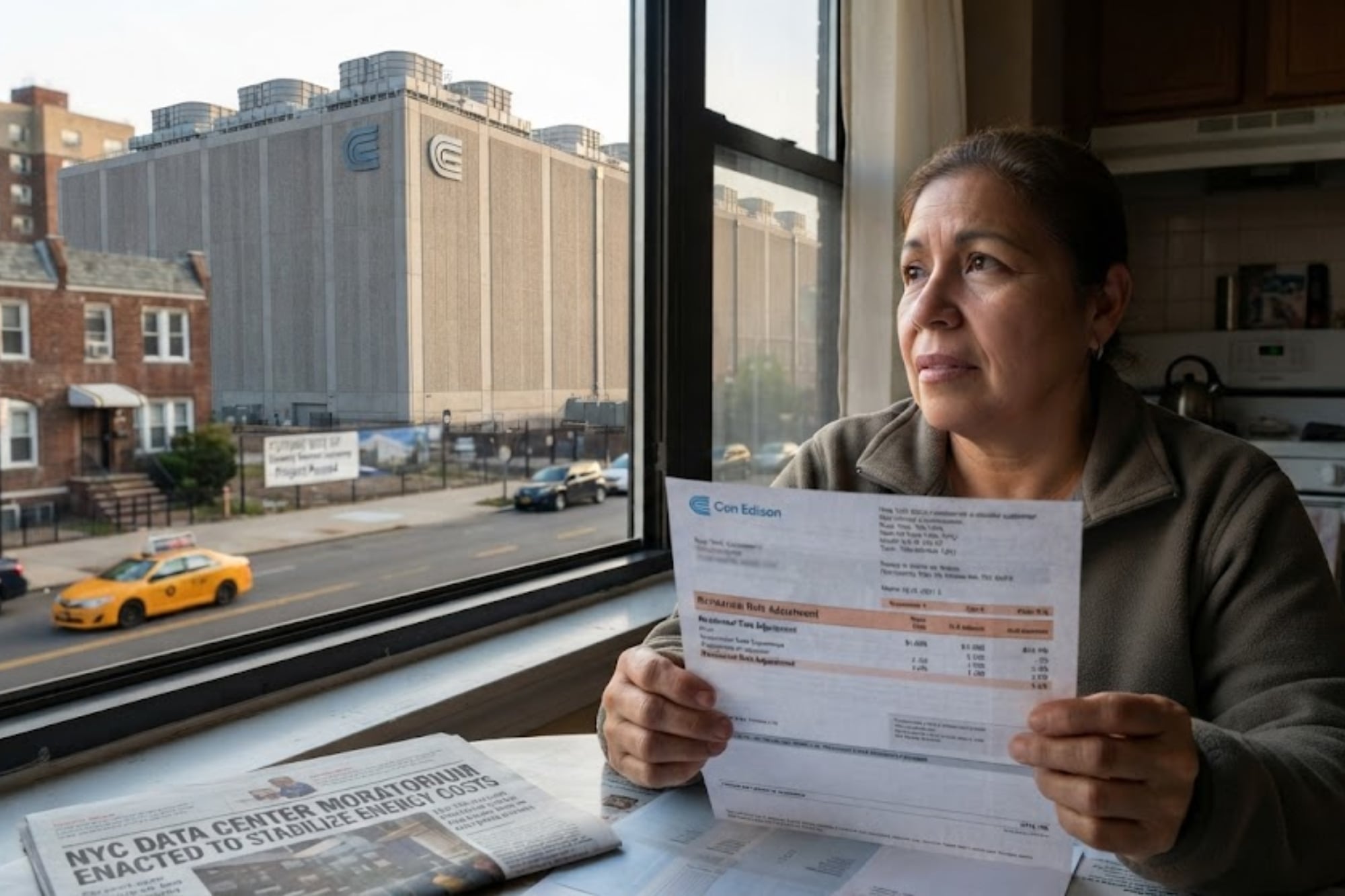
New York Governor Kathy Hochul has announced a measure to halt the construction of new large-scale data centers within the state. This decision is primarily aimed at safeguarding the electricity bills of families and residential consumers. The move comes as the demand for energy from these data centers has been increasing, potentially impacting the cost of electricity for households. Governor Hochul's administration believes this pause will allow for a more thorough evaluation of the energy impact of such facilities. The goal is to ensure that the expansion of digital infrastructure does not disproportionately burden ordinary citizens through higher utility costs. This policy aims to strike a balance between technological advancement and the affordability of essential services for New Yorkers. Further details on the duration and specific criteria for lifting the moratorium are expected.
This policy intervention by New York State highlights a growing tension between the rapid expansion of digital infrastructure, exemplified by data centers, and the need for stable, affordable energy for residential consumers. The state's action suggests a recognition of the significant energy footprint of data centers and their potential to strain existing power grids and drive up costs. From a systems perspective, this move could incentivize data center developers to explore more energy-efficient technologies or seek locations with greater energy capacity and potentially lower costs. It also raises questions about the long-term energy strategy for the state, particularly in balancing the economic benefits of tech investment against the social imperative of energy affordability. Over the next decade, as AI and data processing demands escalate, such regulatory approaches may become more common, prompting a broader discussion on sustainable digital growth and equitable energy distribution.
AI-generated to prompt reflection — not editorial opinion, not advice, not a statement of fact. How this works.