New York, New Jersey, California, and Illinois Sue Trump Over Alleged Illegal Tariffs
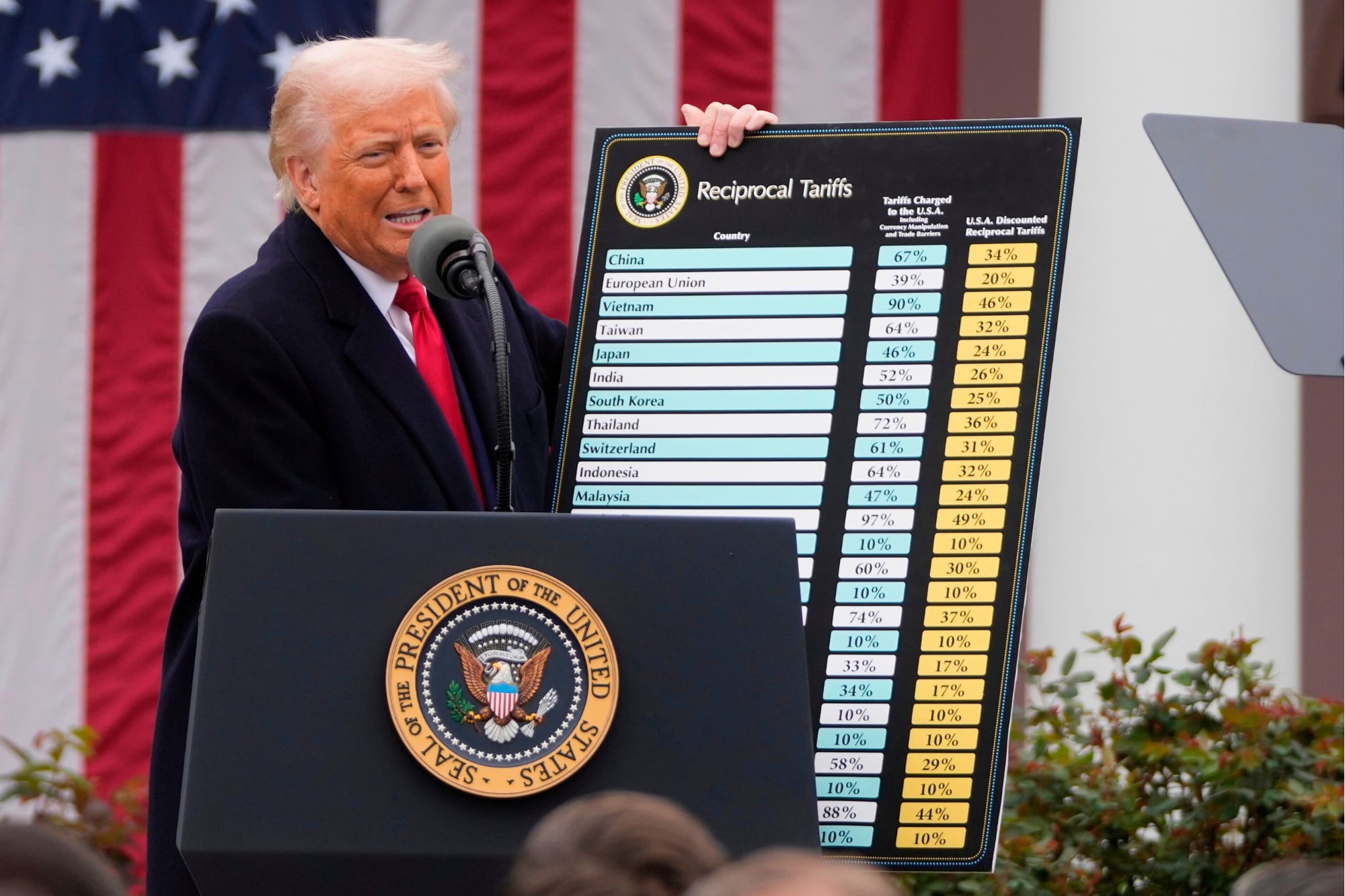
New York, New Jersey, California, and Illinois have joined forces to file a lawsuit against former President Donald Trump, accusing him of implementing illegal tariffs. The lawsuit specifically targets Trump's "illegal tariffs," though the original text does not specify which tariffs are in question or the exact date of the filing. The plaintiffs, which include these three states and Illinois, are seeking legal recourse against the former president's policies. The federal government's defense in this matter is also mentioned as a point of interest, indicating that the administration under Trump will likely respond to the allegations. The exact nature of the "illegal tariffs" and the specific legal grounds for the lawsuit are not detailed in the provided text. However, the collective action by multiple states suggests a significant challenge to the former administration's trade policies. This legal action highlights ongoing disputes over executive authority and trade regulations.
This multi-state lawsuit against former President Trump concerning tariffs represents a significant legal challenge to executive actions on trade. The core issue appears to be the legality of tariffs imposed by the executive branch, potentially overstepping congressional authority or violating established trade agreements. Such actions often stem from complex incentive structures, where national security or economic protectionism goals clash with international trade law and domestic economic impacts. The legal battles ahead will likely scrutinize the scope of presidential power in setting trade policy and the economic justifications for such measures. In the coming decade, as global supply chains and geopolitical dynamics evolve, the precedent set by these cases could influence future trade negotiations and the balance of power between the executive and legislative branches in economic policy.
AI-generated to prompt reflection — not editorial opinion, not advice, not a statement of fact. How this works.
