New York residential tower stabilized after structural concerns, some residents return home
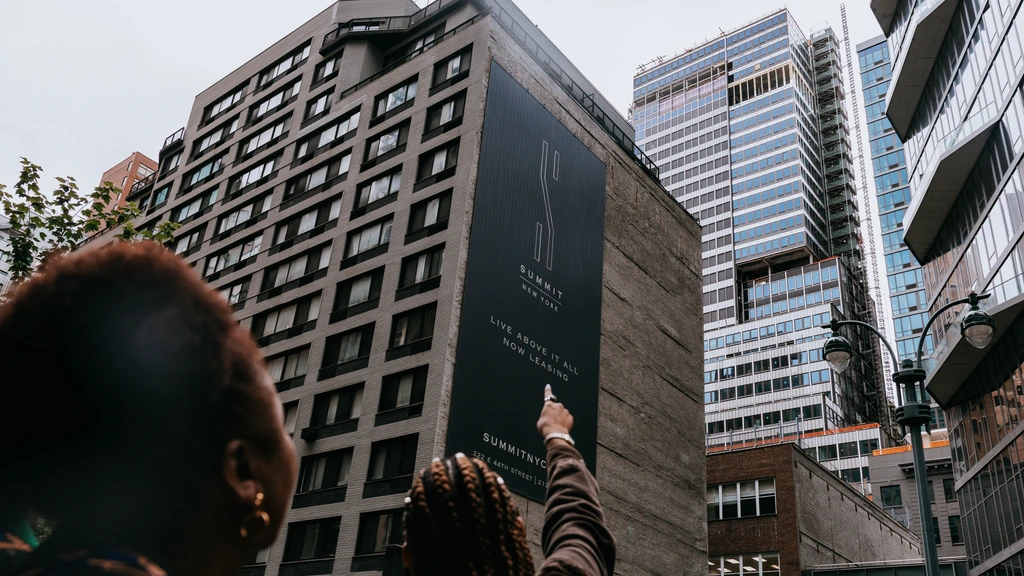
A residential tower in New York City that was at risk of collapse has been stabilized, according to local authorities. Seven surrounding buildings were also evacuated for safety, but residents of some of these have now been permitted to return home. Local official Ahmed Tigani stated that the building has been monitored for hours without any observed movement, allowing for the temporary shoring of damaged sections. These stabilization efforts are ongoing. The building, located in Manhattan, is the former headquarters of pharmaceutical company Pfizer and has been undergoing conversion into residential apartments since 2024. Construction workers reported structural issues yesterday, including two bent steel support columns, dislodged concrete, and glass dislodged from frames, with some higher floors sinking. The construction workers were safely evacuated, and surrounding streets were cordoned off. The project developer, Nathan Berman of MetroLoft, suggested in an interview with The Wall Street Journal that the likely cause of the settlement was the widening of the top fifteen floors. Berman explained that the added load on these floors caused two specific columns to sag, adding that the reason only these two columns were affected is currently under investigation.
The stabilization of the Manhattan residential tower, formerly Pfizer's headquarters, highlights the critical importance of rigorous structural engineering oversight during building conversions, especially when significant modifications like floor widening are undertaken. The incident underscores potential systemic risks in urban redevelopment projects where historical structures are repurposed, suggesting a need for enhanced predictive modeling of load-bearing capacities and stress distribution. Future urban planning and construction methodologies should prioritize adaptive reuse strategies that proactively account for the cumulative effects of modifications on original architectural integrity, ensuring that economic incentives for development do not inadvertently compromise public safety through unforeseen structural vulnerabilities.
AI-generated to prompt reflection — not editorial opinion, not advice, not a statement of fact. How this works.