New York's Waldorf Astoria Reopens After Eight-Year Renovation with Fewer Rooms, More Light
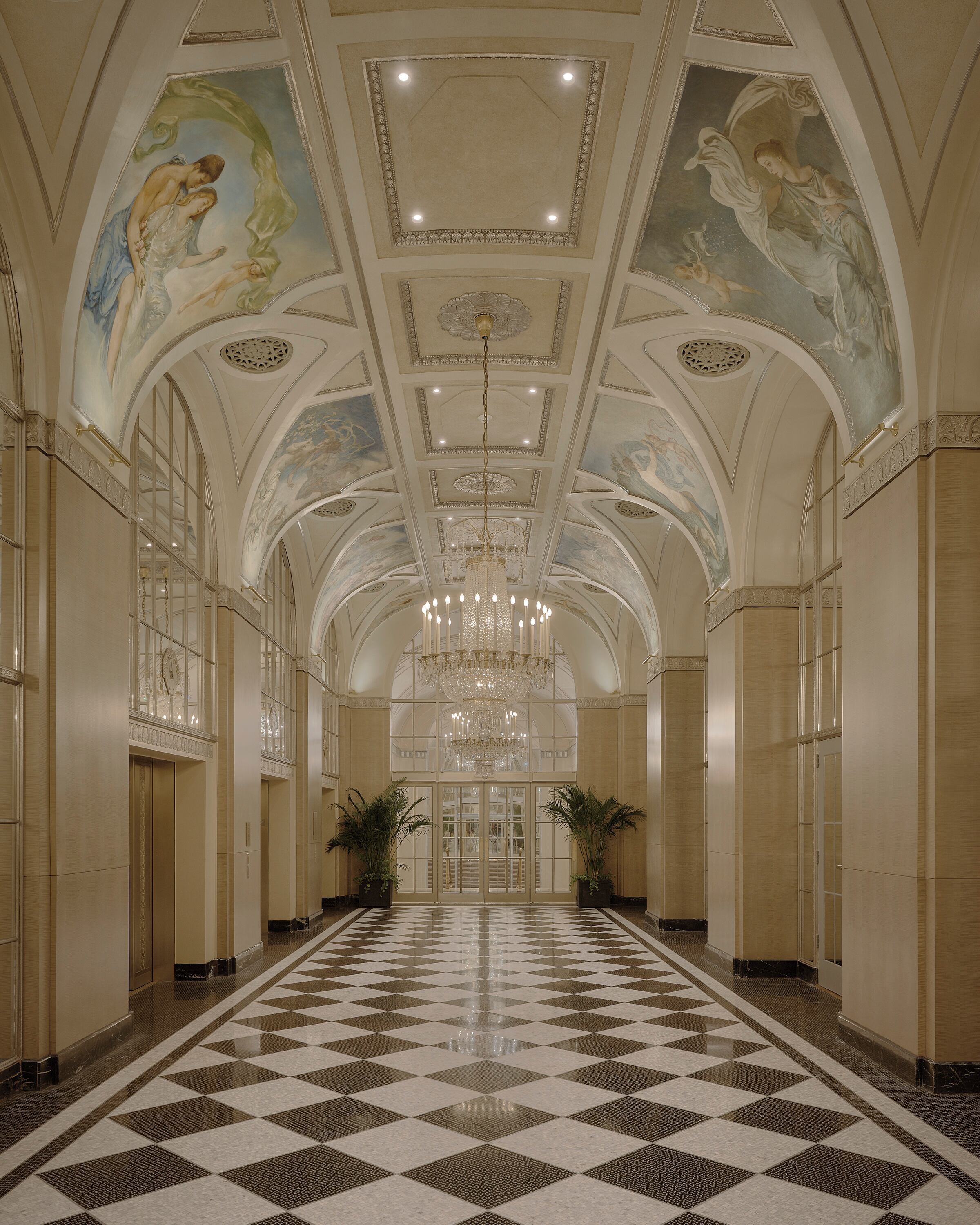
The iconic Waldorf Astoria hotel in New York City has reopened its doors after an extensive eight-year renovation. The ambitious project focused on reducing the number of rooms and increasing natural light throughout the historic building. Throughout its storied past, the hotel has hosted numerous distinguished guests, including Winston Churchill, Yasir Arafat, and Marilyn Monroe. Despite the significant modernization, the renovation aims to preserve the hotel's classic opulence and grandeur. The transformation is expected to redefine the luxury hospitality experience in one of the world's most famous cities. The hotel's new configuration will likely cater to a different segment of the luxury market. This extensive overhaul signifies a major investment in preserving a landmark while adapting it for contemporary standards. The reopening marks a new chapter for the legendary establishment.
The Waldorf Astoria's extensive renovation, involving a significant reduction in room count and an emphasis on natural light, reflects a strategic adaptation to evolving luxury hospitality trends. This approach prioritizes enhanced guest experience and potentially higher per-room revenue over sheer volume. Such a transformation, occurring over an eight-year period, suggests a deliberate effort to balance historical preservation with contemporary market demands and operational efficiencies. The investment signals confidence in the enduring appeal of iconic properties, while the modernization addresses potential shifts in traveler preferences towards more spacious, light-filled environments. This strategic repositioning may serve as a case study for other historic hotels navigating the challenges of modernization in the coming decade.
AI-generated to prompt reflection — not editorial opinion, not advice, not a statement of fact. How this works.