New York Skyscraper Stabilized After Evacuation Due to Collapse Risk
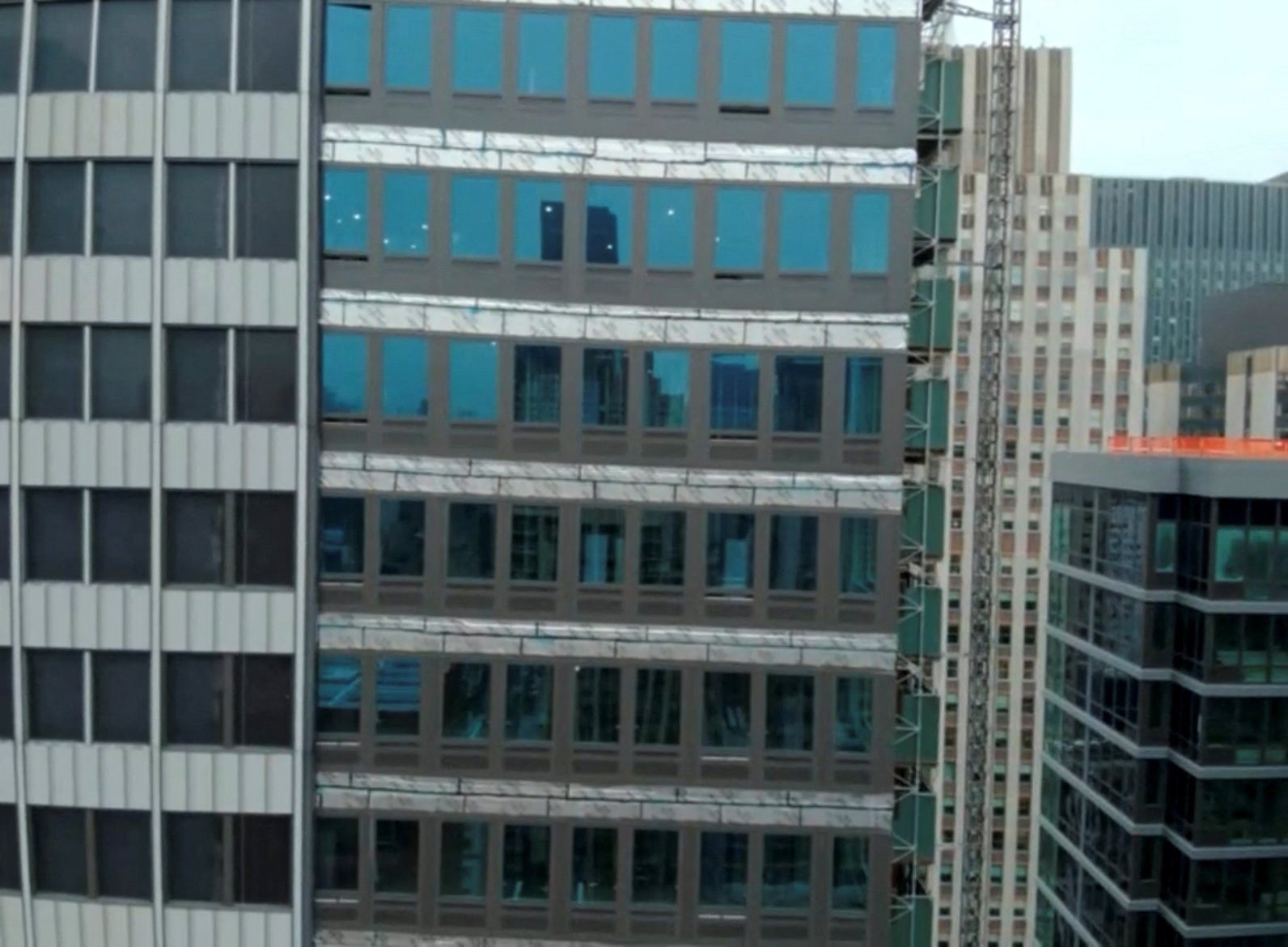
A 37-story skyscraper in New York City, which was undergoing conversion from commercial to residential use, has been stabilized after exhibiting signs of structural distress. The building, located near the United Nations headquarters, prompted a large-scale evacuation on Tuesday, April 7th, when its support columns buckled. The incident led to the closure of the building and necessitated the evacuation of neighboring structures, including the Consulate of Brazil in New York. Mayor Zohran Mamdani announced on Wednesday, April 8th, that emergency crews had installed temporary supports and steel beams between the 18th and 23rd floors, reporting no further structural shifts since Tuesday morning. While some adjacent buildings have since reopened, four remain closed, along with a restaurant on the ground floor of a fifth building. The cause of the structural failure is still under investigation by city authorities and engineers. Nathan Berman, founder of developer MetroLoft, stated the building was never at risk of collapse and described the issue as a common construction setback, suggesting the columns may not have been adequately reinforced for the added weight of new floors. Experts generally agree the immediate collapse risk is low, but city inspectors must determine the exact cause before construction can resume. The building, formerly housing Pfizer's headquarters, is being transformed into a residential complex with 1,600 apartments, with completion anticipated in 2027. Mayor Mamdani expressed continued support for converting commercial buildings into housing to address the city's housing crisis, assuring a rigorous assessment to ensure safety and compliance before work restarts.
The structural incident at the New York skyscraper highlights the inherent complexities and risks associated with large-scale building conversions, particularly when adding significant vertical load to existing structures. While developers may view such events as typical construction setbacks, the evacuation of surrounding buildings, including diplomatic facilities, underscores the critical need for robust pre-construction assessments and continuous structural monitoring. The city's commitment to rigorous evaluation before resuming work is essential for public safety and maintaining confidence in urban development projects. Looking ahead, the increasing trend of adaptive reuse in real estate, driven by housing shortages and sustainability goals, will necessitate advancements in engineering methodologies and regulatory oversight to mitigate similar risks and ensure the long-term integrity of transformed structures in densely populated areas.
AI-generated to prompt reflection — not editorial opinion, not advice, not a statement of fact. How this works.