New York Times Fights Subpoenas for Reporters' Notes on Air Force One Story
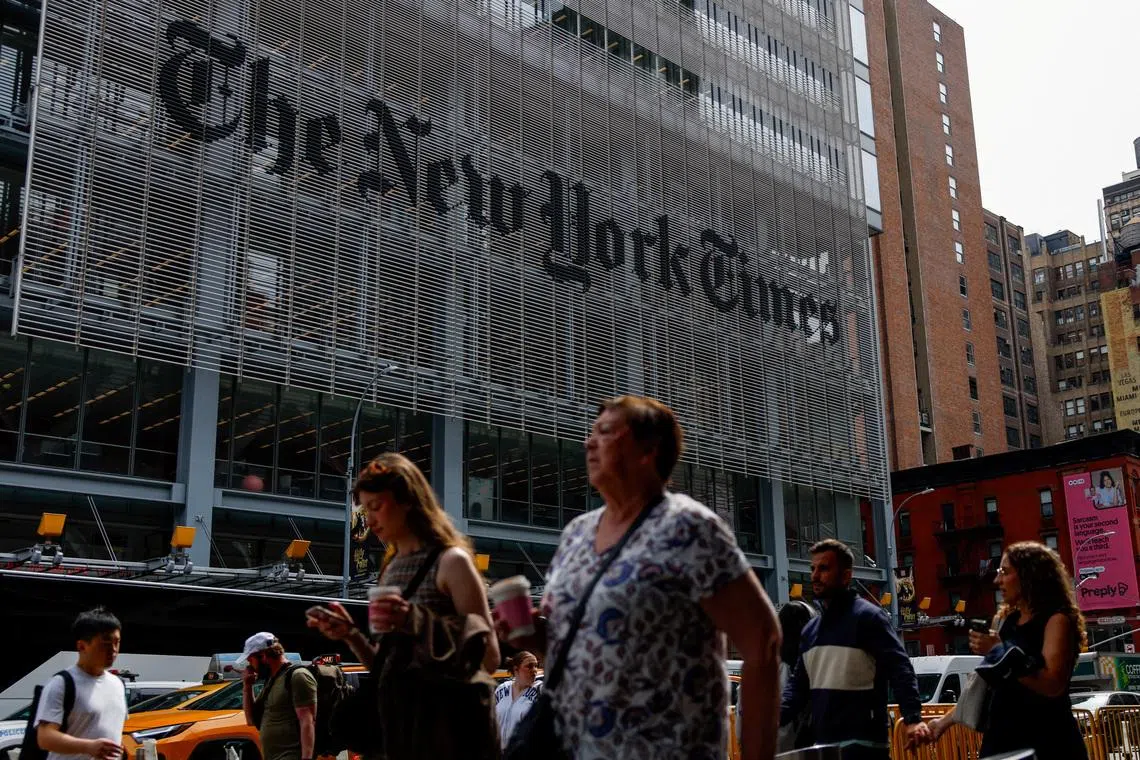
The New York Times is challenging court orders that seek to compel its reporters to testify and hand over their notes related to a story about the presidential aircraft, Air Force One. The newspaper has filed a motion with the court, requesting that these legal documents be made public. This legal action underscores the ongoing tension between journalistic efforts to protect confidential sources and the demands of legal investigations. The specific details of the reporting that led to the subpoenas, and the nature of the information sought, remain central to the case. The New York Times argues that such disclosures could have a chilling effect on investigative journalism, potentially deterring sources from coming forward with sensitive information in the future. The outcome of this legal battle could set a significant precedent for the protection of journalists' work and their sources in the United States. The newspaper's request to unseal its filing indicates a desire for transparency in the proceedings and a public defense of its position.
This legal dispute highlights the fundamental conflict between the public's right to know, facilitated by investigative journalism, and the state's interest in obtaining information for legal proceedings. The New York Times' stance prioritizes the protection of journalistic privilege, arguing that compelled disclosure of sources and notes undermines the press's ability to function as a watchdog. From a systems perspective, the case probes the balance of power between the judiciary and the media, and the evolving legal interpretations of First Amendment protections in the digital age. The long-term implications could influence how future reporting on matters of national security and government operations is conducted, potentially shaping the landscape of accountability and public discourse over the next decade.
AI-generated to prompt reflection — not editorial opinion, not advice, not a statement of fact. How this works.