New Zealand Data Center Sparks Debate Over Job Creation vs. Power Price Impact
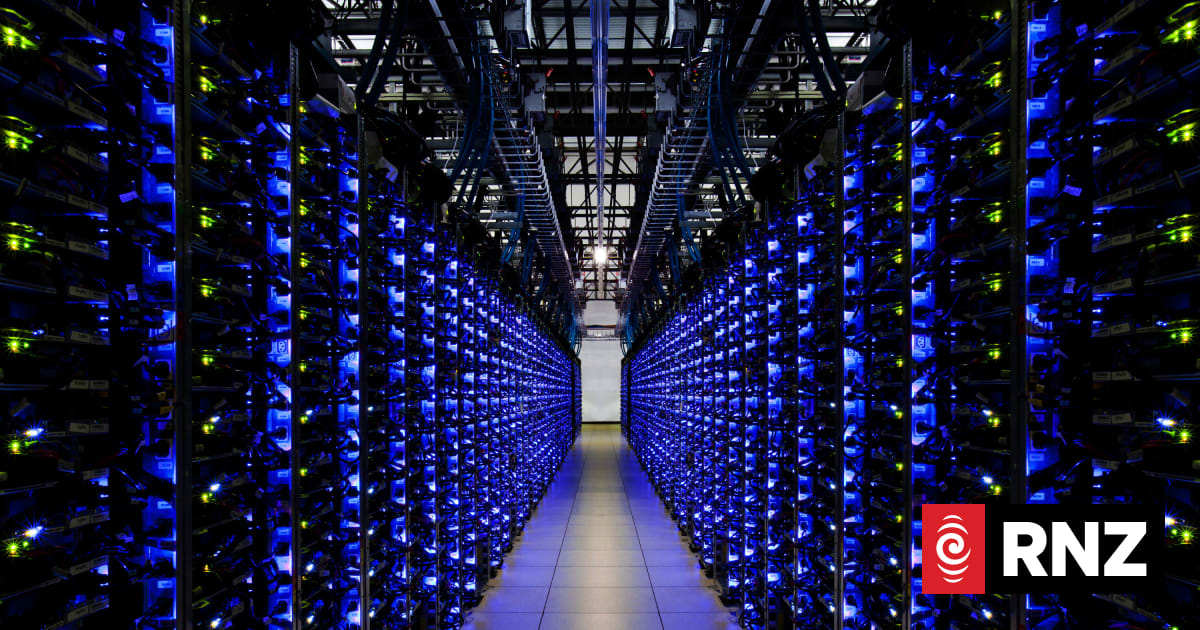
A proposed new data center on New Zealand's South Island has ignited a debate regarding its potential economic impact. The Green Party has voiced concerns that the facility could negatively affect existing industries by driving up electricity prices. They argue that the increased demand for power from the data center will lead to higher costs for other businesses and consumers. Conversely, a significant investor in the project contends that the data center will actually be a net job creator. This investor believes the development will stimulate economic growth and generate employment opportunities that outweigh any potential negative consequences. The opposing viewpoints highlight a central tension between the perceived benefits of technological infrastructure investment and the potential costs to established economic sectors and household budgets.
The development of large-scale data centers presents a complex economic trade-off. While proponents emphasize job creation and technological advancement, critics raise valid concerns about the strain on energy infrastructure and potential price increases for other sectors. This situation exemplifies a common challenge in the digital age: balancing the demand for data processing capacity with the need for sustainable and equitable energy distribution. Future policy decisions will need to consider innovative energy solutions, such as renewable integration and demand-side management, to mitigate negative externalities and ensure that technological progress benefits society broadly, rather than concentrating costs on specific industries or consumers.
AI-generated to prompt reflection — not editorial opinion, not advice, not a statement of fact. How this works.