New Zealand Explores Hydrogen for Lower-Carbon Steel Production
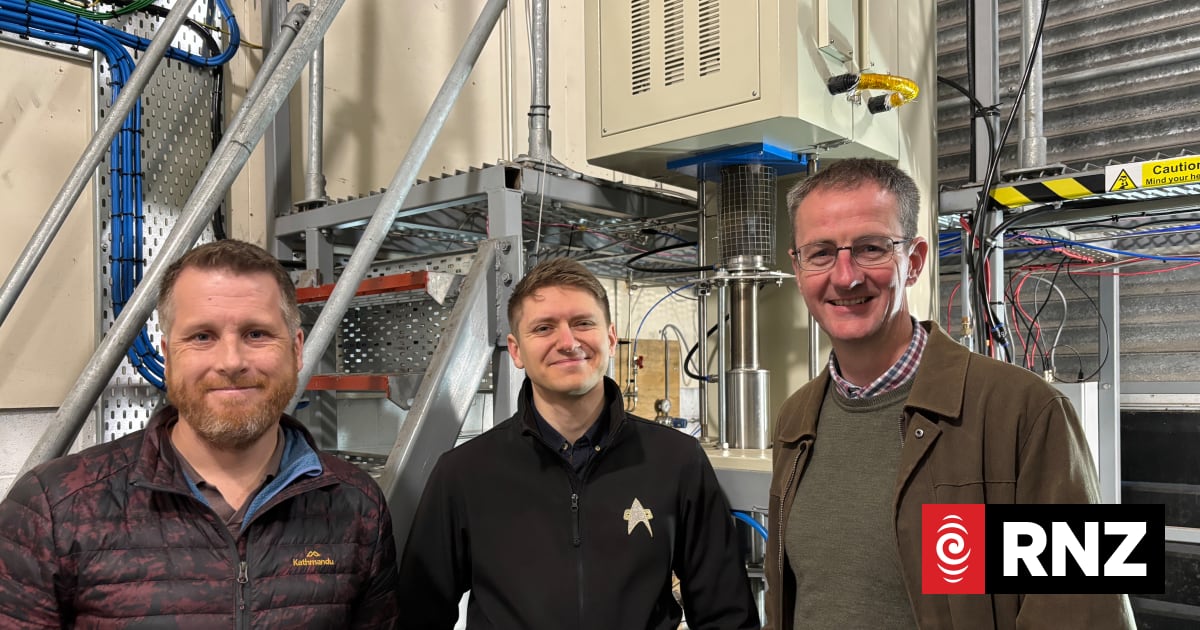
New Zealand's steelmaking industry currently relies on carbon-intensive methods. However, there is an ongoing exploration into new technologies that could significantly reduce the carbon footprint associated with steel production. One promising avenue involves the use of high-powered magnets and the potential application of hydrogen in the steelmaking process. This shift is being considered as a way to address the environmental impact of traditional steel manufacturing. The effectiveness and scalability of these innovative approaches are under scrutiny as the nation seeks to decarbonize its industrial sector. Further research and development are anticipated to determine the viability of these cleaner steelmaking alternatives.
The exploration of hydrogen in steelmaking represents a significant pivot towards decarbonizing heavy industry, a sector critical to global emissions targets. This technological shift, potentially augmented by advanced magnetic applications, addresses the inherent carbon intensity of traditional methods. The challenge lies in balancing the upfront investment and infrastructure development required for hydrogen-based processes against the long-term environmental and economic benefits. Evaluating the energy sources for hydrogen production (e.g., green vs. grey hydrogen) will be crucial in determining the true lifecycle emissions reduction. This initiative highlights a broader trend of industrial innovation driven by climate imperatives and the search for sustainable manufacturing solutions.
AI-generated to prompt reflection — not editorial opinion, not advice, not a statement of fact. How this works.
