New Zealand Pets Restricted Amid Bird Flu Concerns
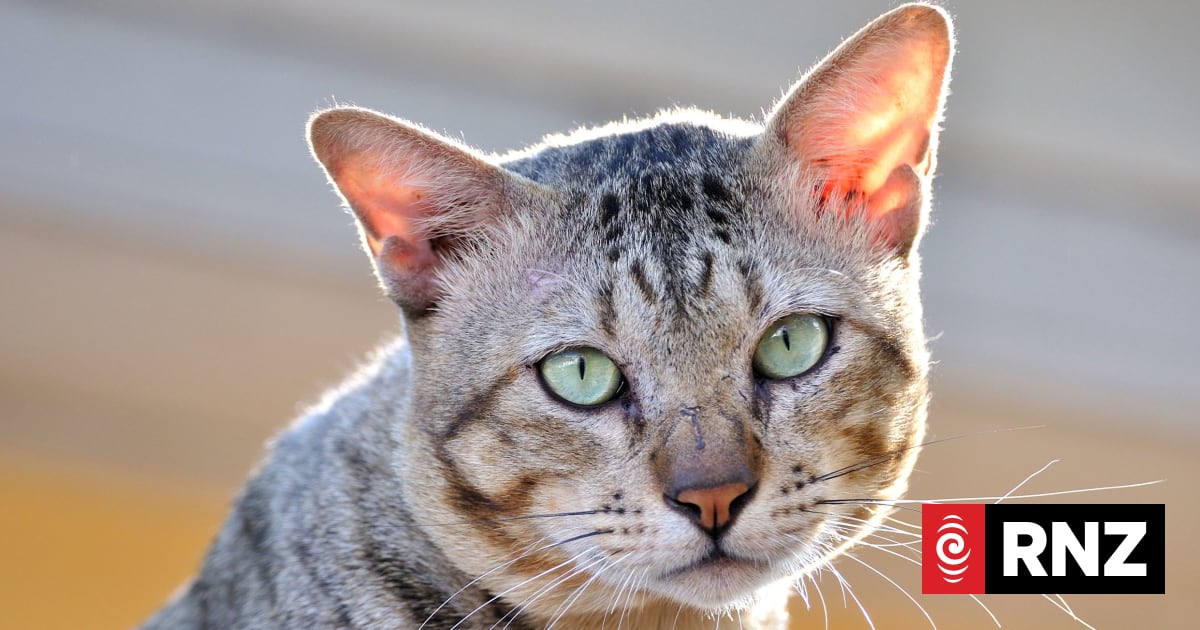
Pet owners in the Wairarapa region of New Zealand are taking precautionary measures to protect their animals from avian influenza. Some cats are being confined indoors, effectively becoming 'patio cats,' to minimize their exposure to the virus. This action reflects growing concerns about the potential spread of bird flu to domestic pets within the country. The specific threat to New Zealand's pet cat population from the current bird flu outbreak is being closely monitored by local authorities and veterinarians. While the primary concern for bird flu is typically among poultry and wild birds, the virus has shown the ability to infect other mammal species. The measures being taken in Wairarapa aim to preemptively reduce the risk of transmission to household pets. Further information regarding the extent of the threat and recommended safety protocols is expected as the situation develops.
The containment of pets indoors in Wairarapa signifies a proactive, albeit localized, response to the potential zoonotic transmission of avian influenza. This approach highlights the evolving understanding of viral pathways beyond traditional vectors like poultry. As AI and genomic sequencing advance, the capacity to predict and track such cross-species transmissions will improve, potentially enabling more targeted and less restrictive public health interventions in the future. The current strategy, while prudent for immediate risk mitigation, underscores the broader challenge of balancing animal welfare with public health security in an increasingly interconnected world.
AI-generated to prompt reflection — not editorial opinion, not advice, not a statement of fact. How this works.