New Zealand's Bottom Trawling Debate Reignited Amid Fisheries Reform Standoff
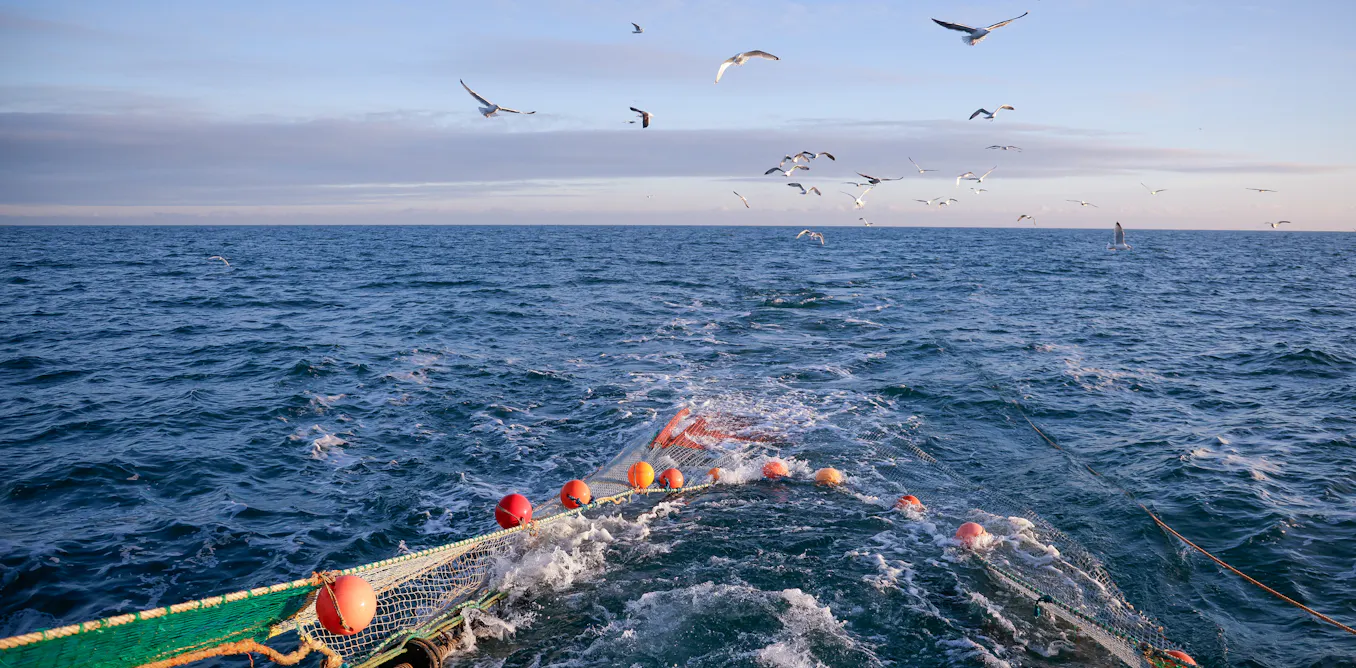
New Zealand is facing renewed debate over the practice of bottom trawling, a method of fishing that drags nets across the seafloor. This discussion has intensified as contentious fisheries reforms remain on hold, prompting a re-evaluation of the current balance between fishing activities and marine conservation efforts. Decades of scientific research have consistently highlighted the significant environmental impacts of bottom trawling, including damage to sensitive marine habitats and ecosystems. Environmental groups and scientists have long advocated for stricter regulations or outright bans on the practice, citing its destructive potential. Conversely, the fishing industry argues that bottom trawling is an efficient and necessary method for catching certain fish stocks, and that proposed reforms could severely impact livelihoods and the economy. The current pause in fisheries reform provides an opportune moment for policymakers to consider the extensive body of evidence and explore alternative fishing methods or more sustainable practices. The core of the debate lies in determining how to best manage New Zealand's valuable marine resources to ensure both ecological health and economic viability for the future.
The ongoing debate surrounding bottom trawling in New Zealand highlights a persistent tension between resource extraction and environmental stewardship. As fisheries reforms stall, the situation presents an opportunity to critically assess the long-term sustainability of current practices against scientific evidence of ecological impact. Future-proofing marine resource management will likely require integrating advanced monitoring technologies and adaptive governance frameworks that can respond dynamically to both ecological changes and evolving economic pressures. The challenge lies in designing regulatory structures that incentivize sustainable fishing methods and foster innovation, ensuring that New Zealand's marine ecosystems can support both biodiversity and human well-being over the coming decades.
AI-generated to prompt reflection — not editorial opinion, not advice, not a statement of fact. How this works.