New Zealand's proposed law change could end climate lawsuits, challenging global commitments
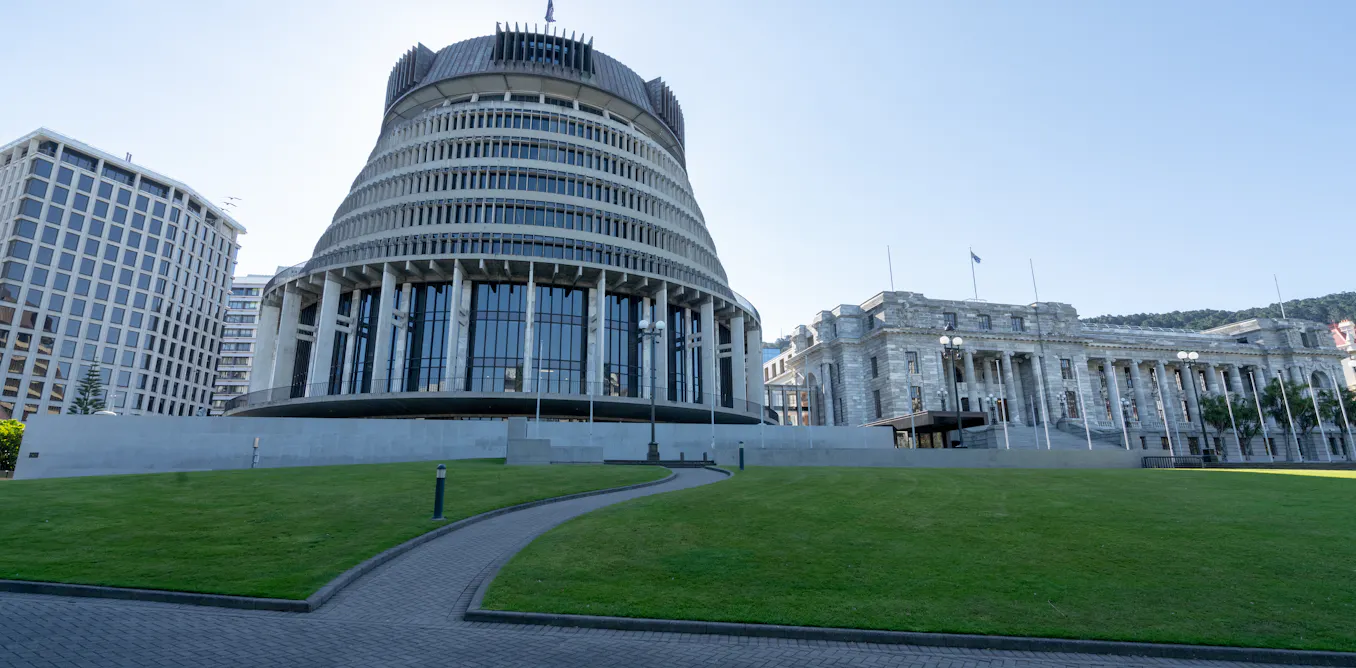
New Zealand is considering a significant legal change that would prevent individuals from bringing climate change-related lawsuits against the government. This proposed legislation stems from a landmark climate case initiated by an activist, which the government now seeks to nullify through this new law. The move has sparked debate regarding New Zealand's adherence to its international climate change obligations. Critics argue that by blocking domestic legal avenues for climate action, the country may be undermining its commitments made under international agreements. The government's rationale for the proposed law change has not been fully detailed, but it is understood to be an effort to preemptively manage potential future litigation. This situation highlights a potential conflict between national legislative priorities and international environmental responsibilities. The outcome of this proposed law change will be closely watched by environmental groups and international bodies concerned with climate justice and accountability.
New Zealand's proposed legislative amendment to halt climate litigation presents a complex interplay between domestic policy and international environmental governance. While sovereign nations retain the right to shape their legal frameworks, actions that appear to preempt or obstruct climate accountability mechanisms could raise questions about the spirit, if not the letter, of their commitments under international climate accords. Such a move might signal a broader trend where governments prioritize short-term legal certainty over long-term climate resilience and public participation in environmental stewardship. This could inadvertently create a perception of weakened climate resolve, potentially influencing investor confidence and international cooperation on climate finance and adaptation strategies in the coming decade. The long-term implications for democratic accountability and the role of citizens in driving climate action warrant careful consideration.
AI-generated to prompt reflection — not editorial opinion, not advice, not a statement of fact. How this works.